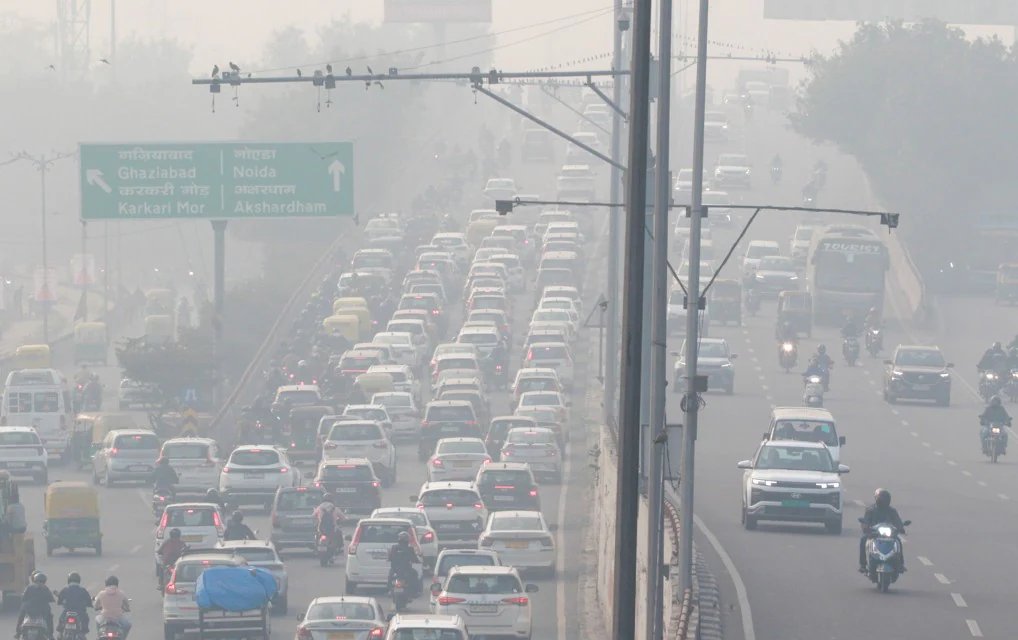
When Delhi’s smog meter spikes, the city throws a temporary ban—GRAP—on buses, construction, and non‑BS‑VI cars.
But the study shows those bans rarely cut the high‑grade PM2.5 that can inflame lungs and clog arteries.
Between 2022 and 2026 Delhi spent 78–83% of winter days at Stage II or higher, meaning most of the time residents were breathing polluted air.
PM2.5, tiny particles less than 2.5 microns, bypass the nose and throat and lodge deep in the lungs, triggering asthma, chronic bronchitis, and even heart attacks.
To shield yourself, check the Delhi AQI on your phone before you step outside, and if the value is above 150, stay indoors, wear an N95 mask, or use a HEPA air purifier.
If you have a pre‑existing respiratory or cardiovascular condition, talk to your doctor about adding a portable oxygen concentrator or scheduling regular check‑ups.
Long‑term solutions—like tightening emissions standards and expanding public transport—are essential, but until then, personal precautions can make a difference.