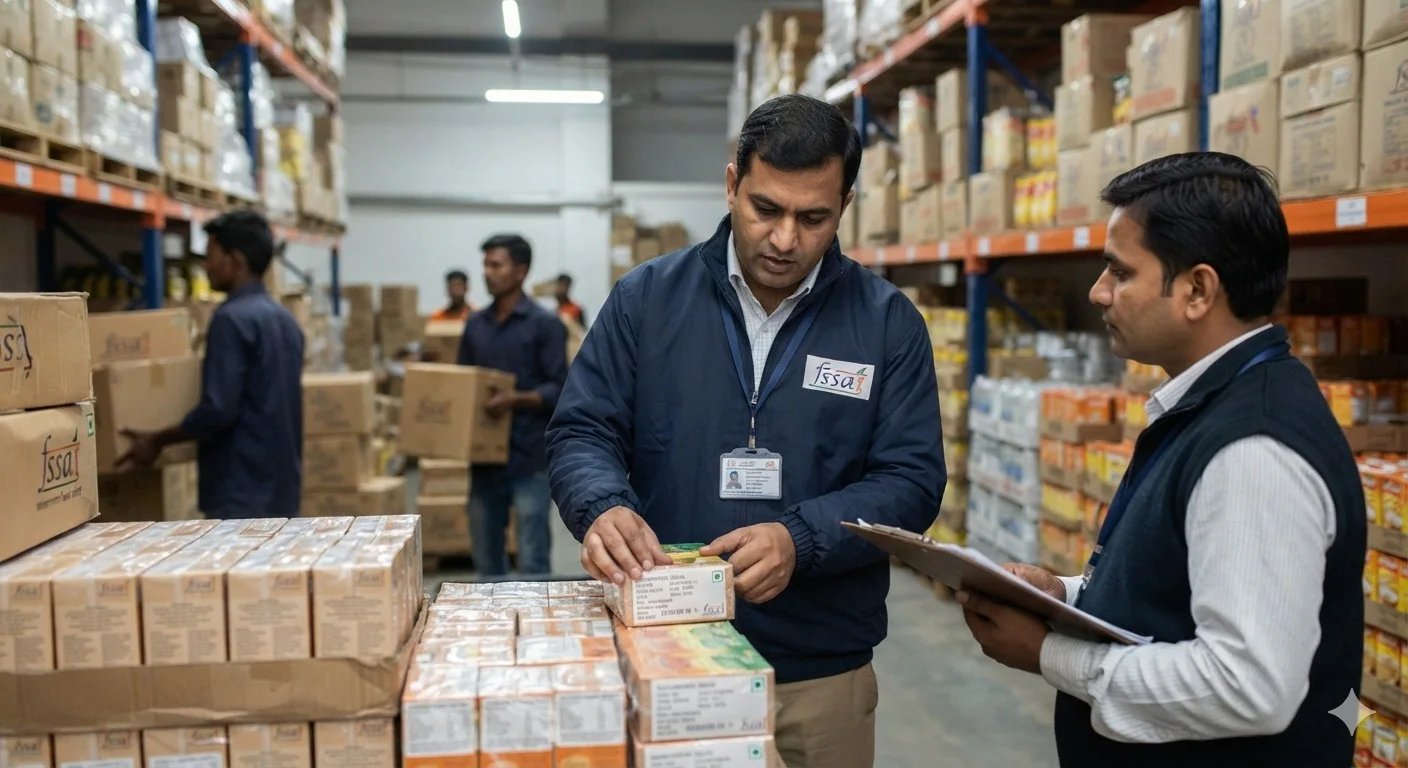
In the last two years, India has stepped up its food checks by 46%, conducting 520,056 inspections this fiscal year. Yet, around one in five samples—40,023 out of 223,808—were flagged as non‑conforming, a figure that still raises red flags for everyday shoppers.
The term "non‑conforming" covers a range of problems: from sub‑standard ingredients to outright contamination. In 2023‑24, the split was 22,603 sub‑standard, 6,782 unsafe, and 4,423 labeling errors. That means most failures were about quality or labeling, but a non‑negligible chunk still posed a real health risk.
Enforcement hits hard during festivals, when demand for sweets, ghee, paneer and other staples surges. Maharashtra’s recent crackdown saw 30 licences suspended and more than 50,000 kg of food seized, including paneer, ghee and sweets. Even long‑standing brands were not immune—Kyani & Co, a 122‑year‑old café, lost its licence after hygiene violations.
The penalties lag behind detections: 31,878 civil cases were resolved and 1,918 criminal convictions recorded last year, far fewer than the 40,000 failed samples. That gap fuels public skepticism and highlights why consumers need to stay vigilant.
The true cost of unsafe food is steep. The World Bank estimates India loses about $15 billion annually from foodborne illnesses—$95 billion in productivity loss and $15 billion in medical bills. For a household, that translates to doctor fees, medication, and missed work days, which can push families deeper into poverty.
What can you do? Check for the FSSAI logo, verify expiry dates, and avoid foods that look and smell off. Buy from reputable stores, especially during festivals, and report any suspicious products to local authorities. And if you feel unwell after eating out, seek medical attention promptly.
The bottom line—while India’s inspection numbers are climbing, a significant proportion of foods remain unsafe. Staying informed and cautious, especially during the busy festival season, can help protect your health and your wallet.