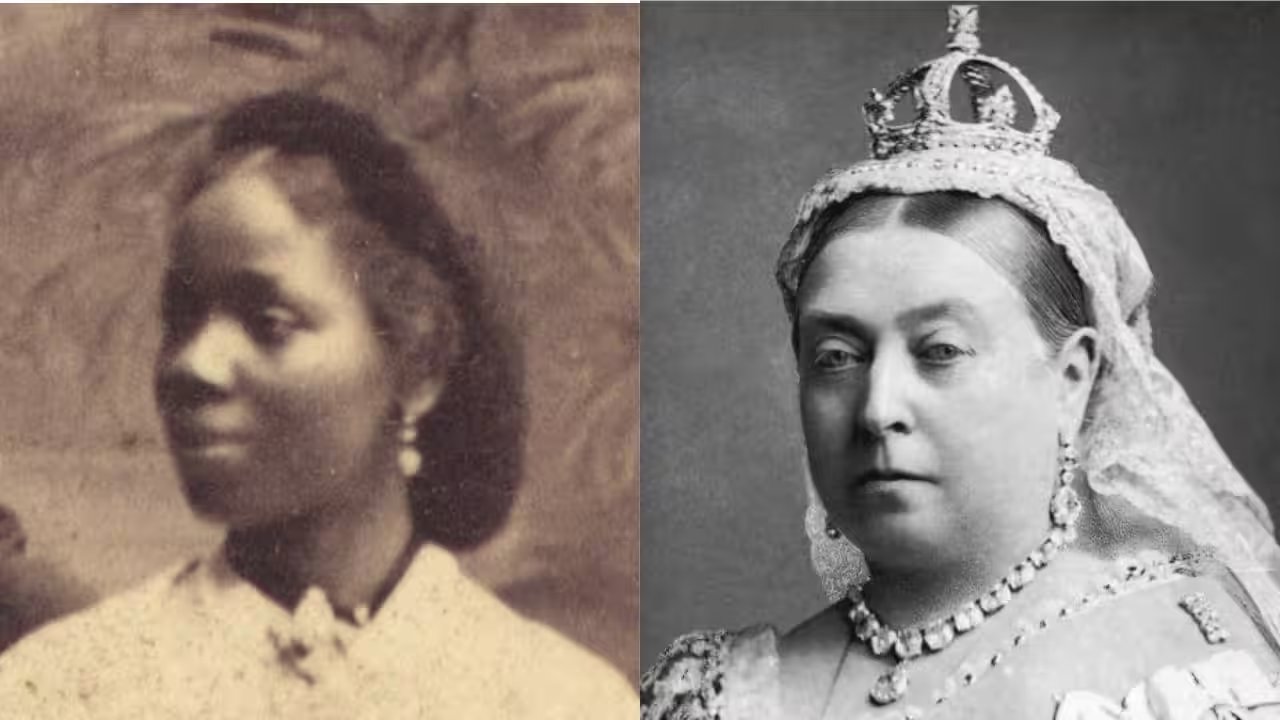
Professor Henry Lovejoy’s new biography, Becoming Sarah Forbes Bonetta: A Yoruba Woman in Queen Victoria’s Court, hits shelves today, chronicling the life of the 7‑year‑old African girl who was presented as a diplomatic gift to Queen Victoria in 1850.
Bonetta, born Aina in 1843 in Oke‑Odan, Nigeria, was seized in 1848 during a raid by forces loyal to King Ghezo of Dahomey. She spent two years at the king’s court before being brought to England by Royal Navy captain Frederick Forbes, who arranged her baptism and renamed her Sarah Forbes Bonetta.
In England, Queen Victoria paid for Bonetta’s schooling and later approved her marriage to James Pinson Labulo Davies in 1862, yet Lovejoy argues that the queen’s patronage effectively made Bonetta indentured until age 19.
Bayo Randle, a 37‑year‑old British‑Nigerian barrister, told The Guardian that the biography’s revelations force him to confront the legacy of a family history forged by a colonial gift.
Lovejoy’s research places Bonetta’s experience within a wider system that bound over 700,000 freed Africans to labor, illustrating how privilege existed within oppressive structures.
The biography’s release invites renewed scrutiny of colonial gift practices.