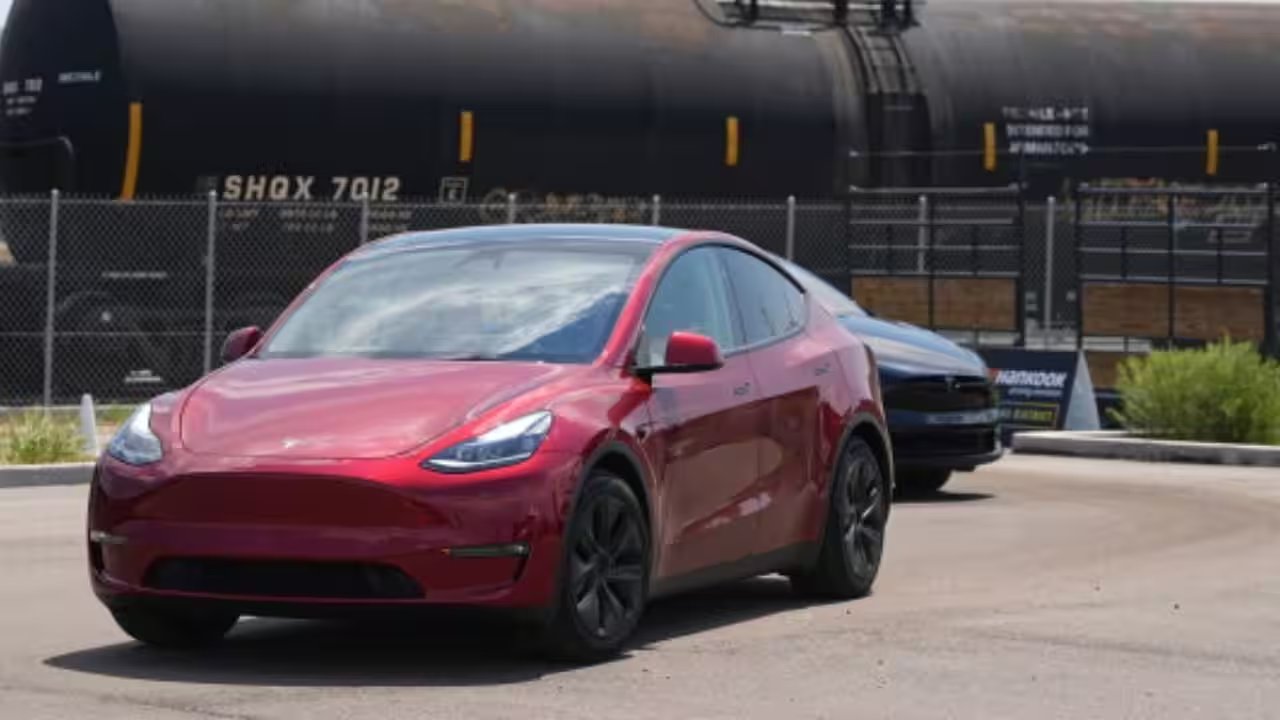
At 2:30 a.m. on Oct. 22, a 26‑year‑old driver in a Tesla Model 3 was on I‑80’s westbound lane near the I‑780 interchange. The car was cruising at about 70 mph when a 71‑year‑old man stepped onto the shoulder and was struck. Dash‑cam footage shows the vehicle’s brakes engaging and a brief attempt to steer left, but the front‑right side still hit the pedestrian, who was later struck by another car.
The driver told CHP that the car’s Full Self‑Driving (FSD) system was active. Tesla defines FSD as a driver‑assist package that can steer, change lanes and navigate intersections, but insists a fully attentive human must stay in control.
CHP officer Scott Heitman said the driver was not cited, but the incident is under investigation. Investigators are probing why the pedestrian’s presence on the road and whether the driver’s use of FSD contributed to the crash.
This isn’t the first I‑80 mishap involving a Tesla on FSD. Earlier this month, a Tesla hit a CHP patrol vehicle while the driver allegedly fell asleep. The pattern has stirred debate about the limits of semi‑autonomous tech and the legal duty of drivers.
For buyers eyeing Tesla’s FSD, the takeaway is clear: the system is not a licence to sleep. Even at cruising speeds, drivers must monitor the road and be ready to intervene, especially on highways where a single mistake can be fatal.