The brief visit unfolded against a backdrop of heightened diplomatic activity, as Israel commemorated the 50th anniversary of the Yom Kippur War and its leaders gathered at Ben Gurion Airport.
Kamel arrived in a chartered aircraft linked to Egypt’s intelligence service, lingered for roughly 67 minutes, and reportedly briefed unnamed Israeli officials before departing back to Cairo. The identity of the Israeli audience remains unclear, and senior Israeli figures such as Tzachi Hanegbi later denied any meeting.
Earlier, the UAE’s president Mohamed bin Zayed and a United Nations envoy had also voiced concerns about a potential Hamas assault, while Qatar had halted fuel deliveries to Gaza and the Israeli authorities had shut the Erez crossing in September. Negotiations had yielded temporary easing—Hamas agreed to pull back from the border fence and Israel reopened the crossing and a medical‑supply line—yet Hamas allegedly used the talks to buy time.
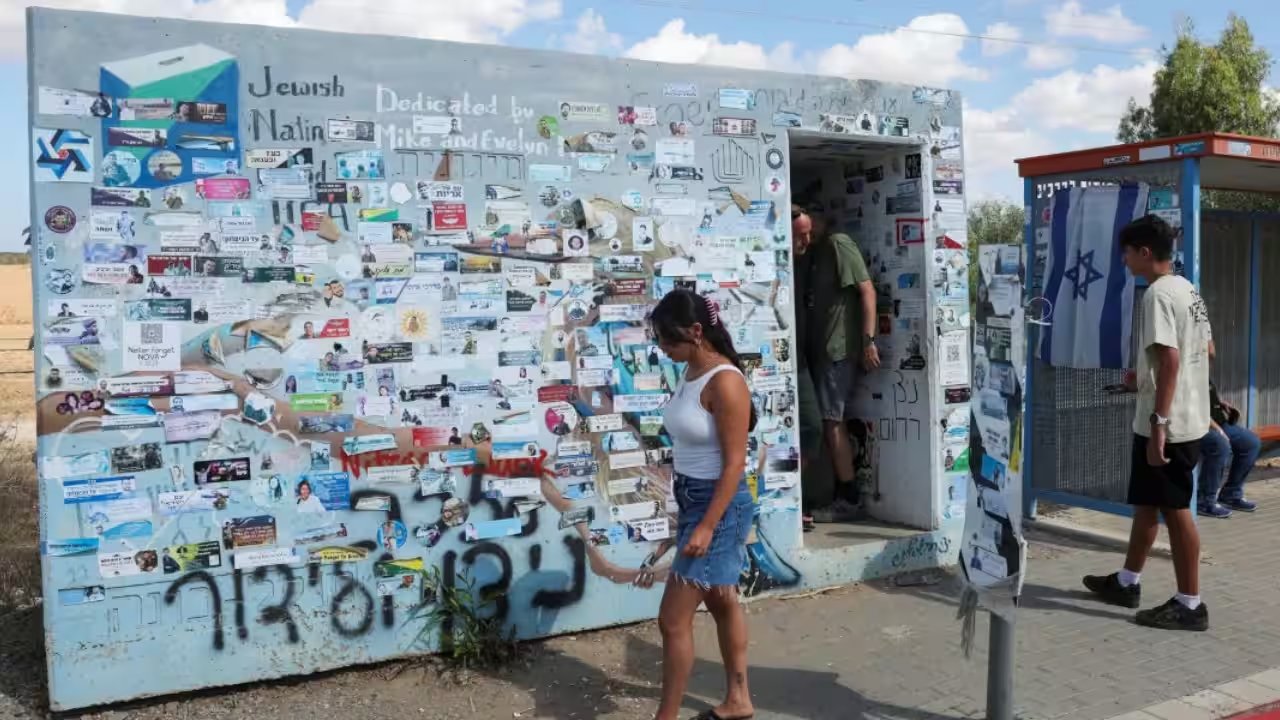
When the Oct. 7 attack erupted, it claimed roughly 1,200 civilian lives and seized 251 hostages, prompting Israel to launch a full‑scale military campaign in Gaza. The incident has intensified scrutiny over how Israeli intelligence assessed and acted upon warnings from Egypt and other partners.