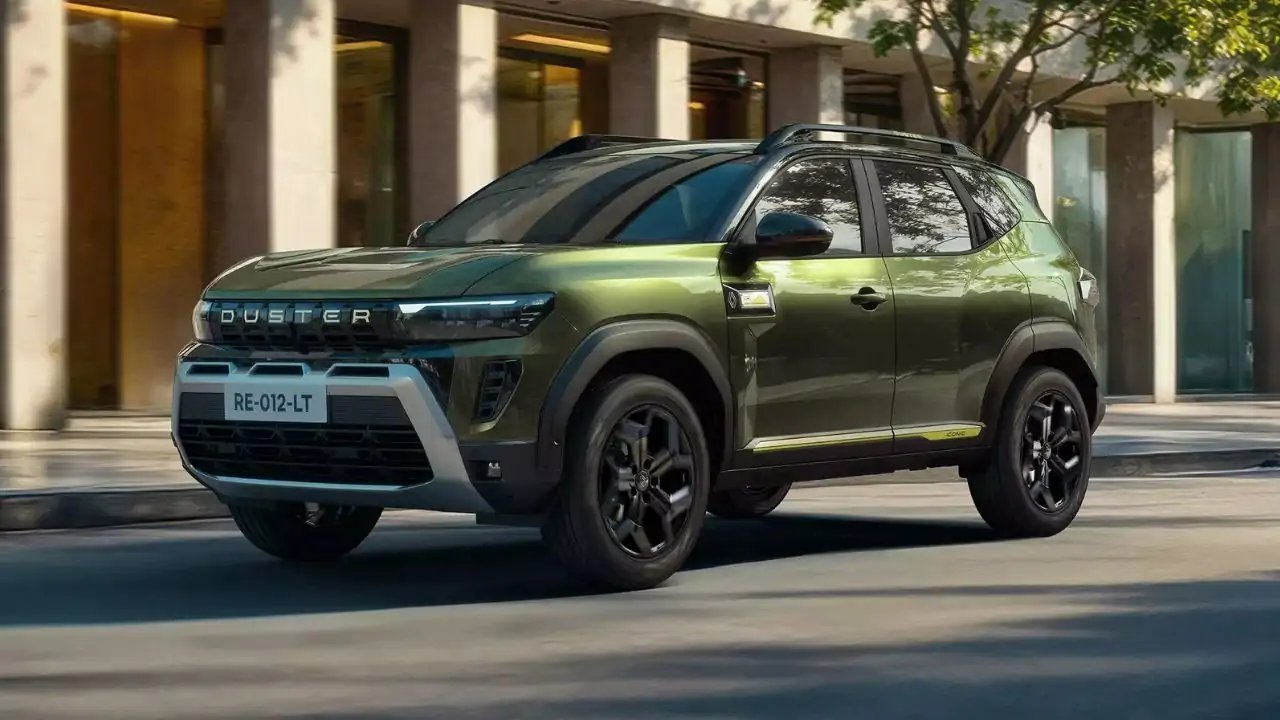
Booking opens at ₹21,000, which is just a token to lock in a place in the queue, not the final price. With the SUV expected to hit ₹15–₹18 lakh on launch, the fee feels like a small price for a stat that could save you ₹1,000–₹1,500 a month on fuel.
Under the hood, a 1.8‑litre petrol engine teams up with two electric motors and a modest 1.4‑kWh battery to deliver 157.8 hp. The system runs on a single clutch‑less automatic, switching between petrol and electric as traffic demands, and recharges the battery while you drive—no charging cable in sight.
If you’ve been eyeing the Hyundai Creta IONIQ 5 or the Tata Safari, the Duster’s 29 kmpl figure sits in the sweet spot of petrol‑hybrid efficiency. It’s a step above the diesel‑powered Duster’s 20 kmpl and sits just shy of the plug‑in Hybrids that need a 6‑hour charge for a 200‑km range.
For buyers, the hybrid comes at a time when the government is tightening fuel‑consumption norms and offering duty rebates on vehicles with <30 kmpl. A 29 kmpl rating means the Duster could qualify for a 15 % duty reduction, shaving a few thousand rupees off the sticker.
Renault plans to unveil the full price picture on 17 October 2026, with the first delivery slots opening in Delhi and Mumbai the following month. Keep an eye on the dealer network, as the launch will test how well a low‑cost hybrid competes in a market leaning toward plug‑ins.