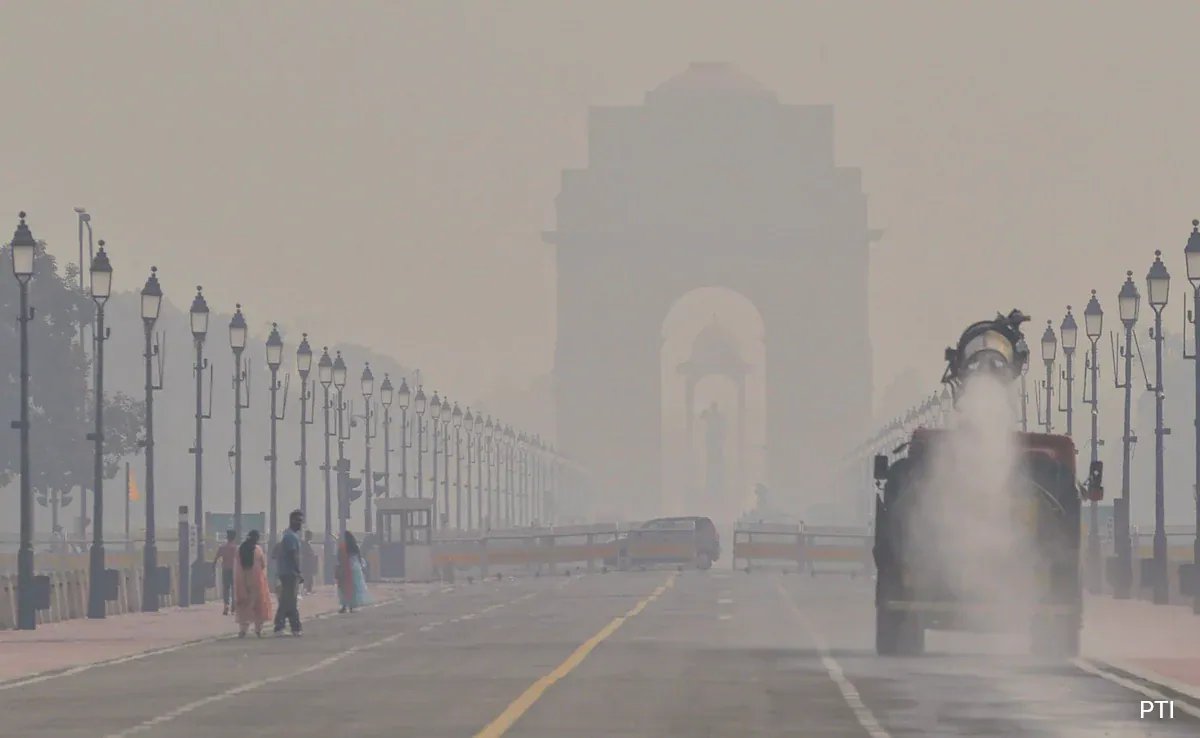
Delhi’s air quality has crossed the first red line of the season. The Commission for Air Quality Management (CAQM) officially invoked Stage 1 of the Graded Response Action Plan (GRAP) on Wednesday. This move follows the Air Quality Index (AQI) registering at 244 by 2 pm, placing the capital firmly in the 'Poor' category. It is the first GRAP-1 activation for this winter, signaling the arrival of the dreaded haze that usually grips the National Capital Region.
The restrictions kick in immediately when the AQI hovers between 201 and 300. Under this stage, district administrations and pollution control boards must enforce strict vehicular bans. Diesel vehicles older than 10 years and petrol vehicles older than 15 years are prohibited from operating. For commuters, this means an immediate check on vehicle age. Many older rideshare and taxi fleets will face compliance issues.
Construction sites face a new set of headaches. Labour-intensive activities without dust mitigation measures are banned. Water sprinkling at all project sites is mandatory. Road construction and widening projects must intensify the use of anti-smog guns and dust suppression tools. Municipal bodies are also mandated to conduct periodic mechanised sweeping and scientific disposal of collected dust at designated landfills.
The order extends to commercial kitchens and roadside eateries. A blanket ban on using coal and wood as fuel takes effect. These establishments must switch to electricity, gas, or clean fuel-based appliances. The CAQM also ordered an immediate stop to all garbage burning. Biomedical waste handling protocols will be intensified, and heavy vehicles will undergo black carbon emission audits.
Diesel generator sets are under the microscope. The order demands strict regulation of DG set operations across industrial, commercial, and residential sectors in NCR. They can no longer serve as a regular source of power supply. As the AQI watches the 300 mark—the threshold for GRAP-2 or 'Very Poor'—the city braces for tighter constraints if the smog thickens further. The CAQM will continue monitoring hourly AQI data to determine if Stage 2 triggers.