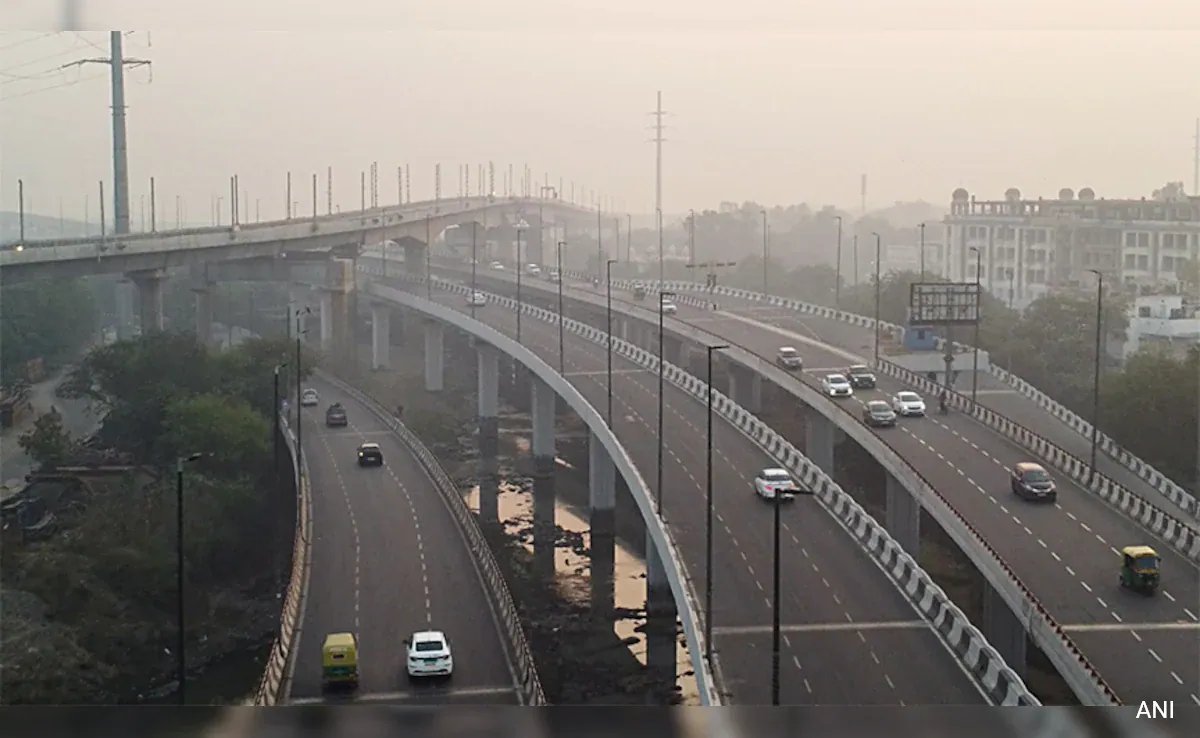
On 21 October 2026, Delhi's AQI surged to 244, triggering the first‑ever late‑season activation of GRAP‑1 restrictions. Environment Minister Manjinder Singh Sirsa announced the move at a press conference in the capital, and under the new rules, parking fees across the city will double, except at metro stations.
GRAP‑1 applies when the AQI sits between 201 and 300, a range now labeled 'Poor'. GRAP‑2 covers 301‑400, GRAP‑3 401‑450, and GRAP‑4 kicks in when the index climbs past 450. This staggered framework has been in place since 2014 but has rarely been invoked this late in the season.
Vehicles lacking a valid Pollution Under Control certificate will be denied fuel, and municipal offices will shift to staggered shifts and work‑from‑home to slash traffic. A local construction worker, Rajesh Kumar, said the new sweeping and sprinkling protocols will slow his daily commute. The doubled parking rates are expected to curb short‑term vehicle use during peak hours.
Outdoor demolition and construction sites will face tighter restrictions, while open burning is barred outright. The government has deployed 608 anti‑smog guns and 1,150 mist‑spray units across the NCR to tackle particulate matter. An Integrated Command and Control Centre monitors these operations, leveraging an AI‑based traffic system to reduce emissions.
The Indian Meteorological Department and IIT Mandi predict the AQI will stay in the 'Poor' band for the coming week. Sirsa said the Centre and Delhi government will launch an 11‑point action plan to tackle both short‑ and long‑term pollution. The next review of the GRAP levels is scheduled for 28 October, when officials will assess whether the new curbs have lowered the index.