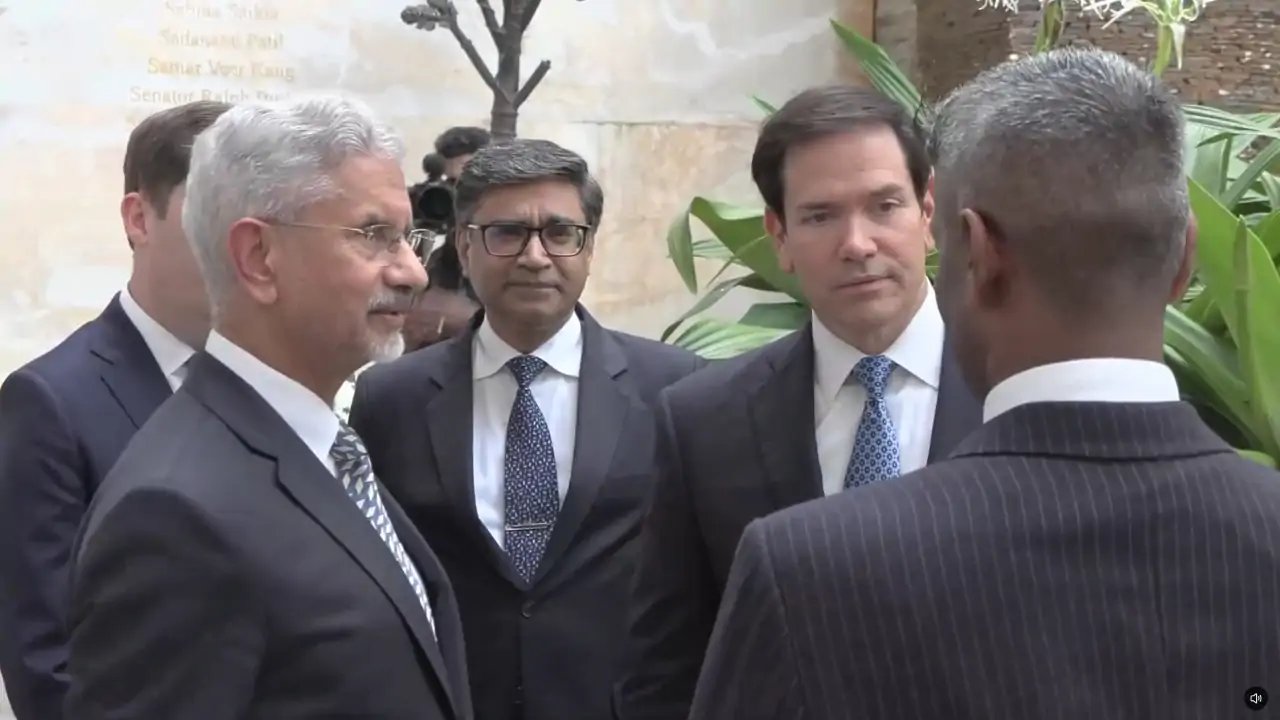
On May 28, 2026, S Jaishankar met Marco Rubio in Mumbai, pointing the U.S. leader toward the almost 60‑hour siege that left 31 Taj Hotel employees dead during the 2008 26/11 attacks.
Jaishankar introduced Rubio to Sunil Kudyadi, the hotel’s security chief who remained inside the Taj throughout the assault. Kudyadi recounted how the Lashkar‑e‑Taiba terrorists broke in at midnight, climbed from the kitchen to the sixth floor, and trapped guests in a labyrinth of corridors. His knowledge proved decisive for the police and MARCOS commandos who eventually flushed the attackers out.
The minister used the encounter to hammer home India’s long‑standing demand that any U.S. engagement with Pakistan must reflect its record of supporting cross‑border terrorism. He said, “We expect our partners to show zero tolerance for terrorism.” Rubio, meanwhile, defended Washington’s ties with Islamabad, arguing that dialogue gives the U.S. leverage.
With Congress set to hold hearings on U.S. defense policy next month, the meeting could prompt a shift in Washington’s stance. Analysts say the U.S. might tighten its scrutiny of Pakistani‑linked groups, especially as the Biden administration faces pressure from both allies and domestic constituencies.
Meanwhile, survivors of the 26/11 attacks, like the family of a Taj employee who lost a brother, watched the exchange with a mix of hope and skepticism, wondering if international pressure would finally change the status quo.