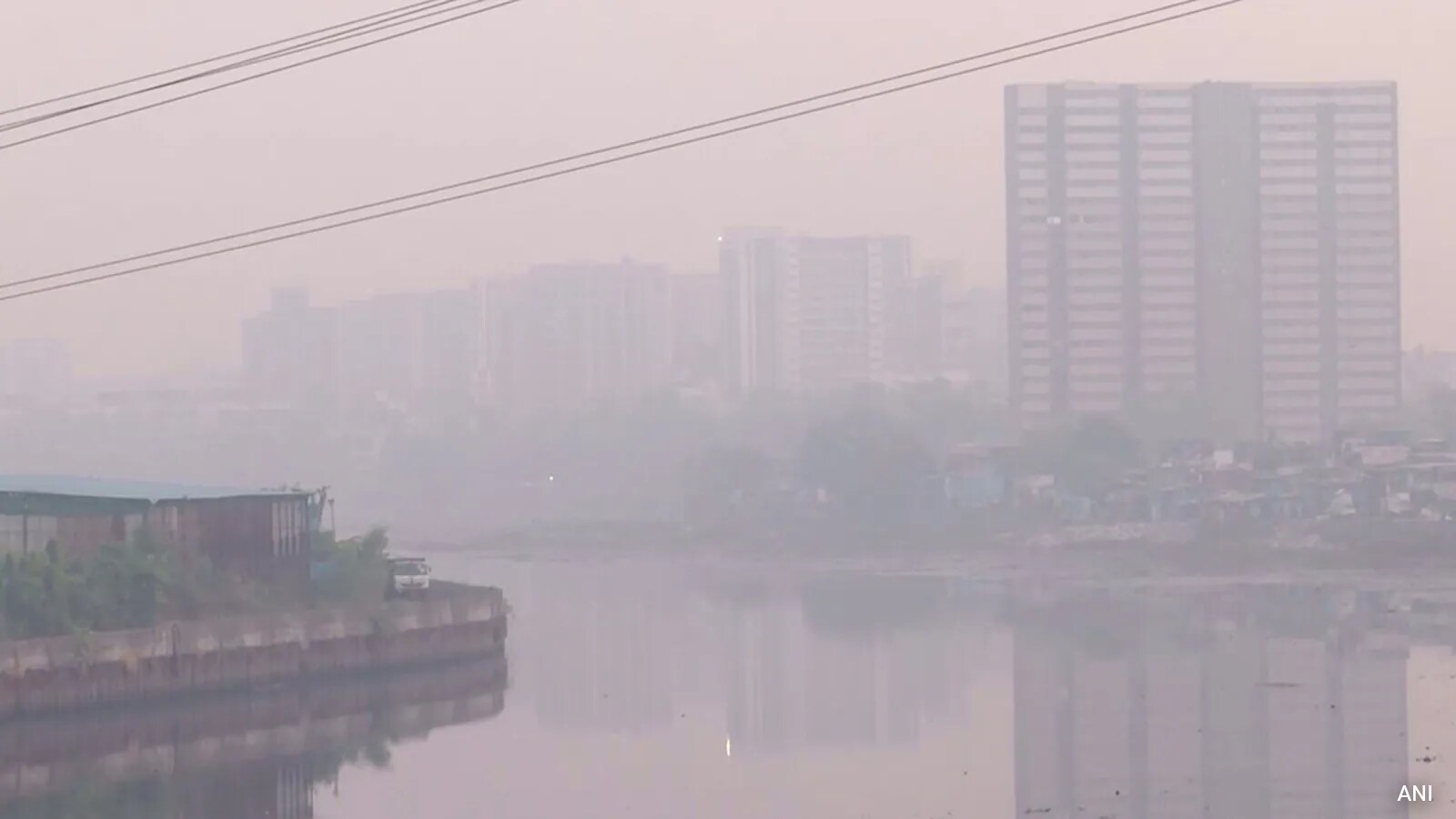
The latest data, released by the BMC, reveal that road dust, vehicle exhaust and industrial releases each account for roughly 20% of the PM10 that pushed Mumbai’s AQI into the 'very poor' zone.
The Urban Climate journal’s 2024 study quantified these sources: 19.6% from transport, 19.4% from wind‑blown road dust and 18.9% from industrial activity, underscoring that construction alone does not explain the spike.
In response, the BMC rolled out a 28‑point guideline for construction sites, including mandatory use of dust suppression and real‑time emission reporting. 76 ward‑level squads have been tasked with inspecting at least two sites each day, a move that could be the first tangible enforcement step.
The authority also plans to employ artificial‑intelligence algorithms to flag malfunctioning sensors that have previously reported abnormally low readings, thereby tightening the reliability of its monitoring network. Open‑burning from garbage dumps and nearby agricultural fires will be monitored as well, with penalties looming for non‑compliance.
For residents, the haze is more than a statistic. 32‑year‑old Anjali Gupta, who lives in Juhu, said, "Every morning I can’t see the beach beyond a gray veil. It’s exhausting to breathe, and I fear my children’s health."