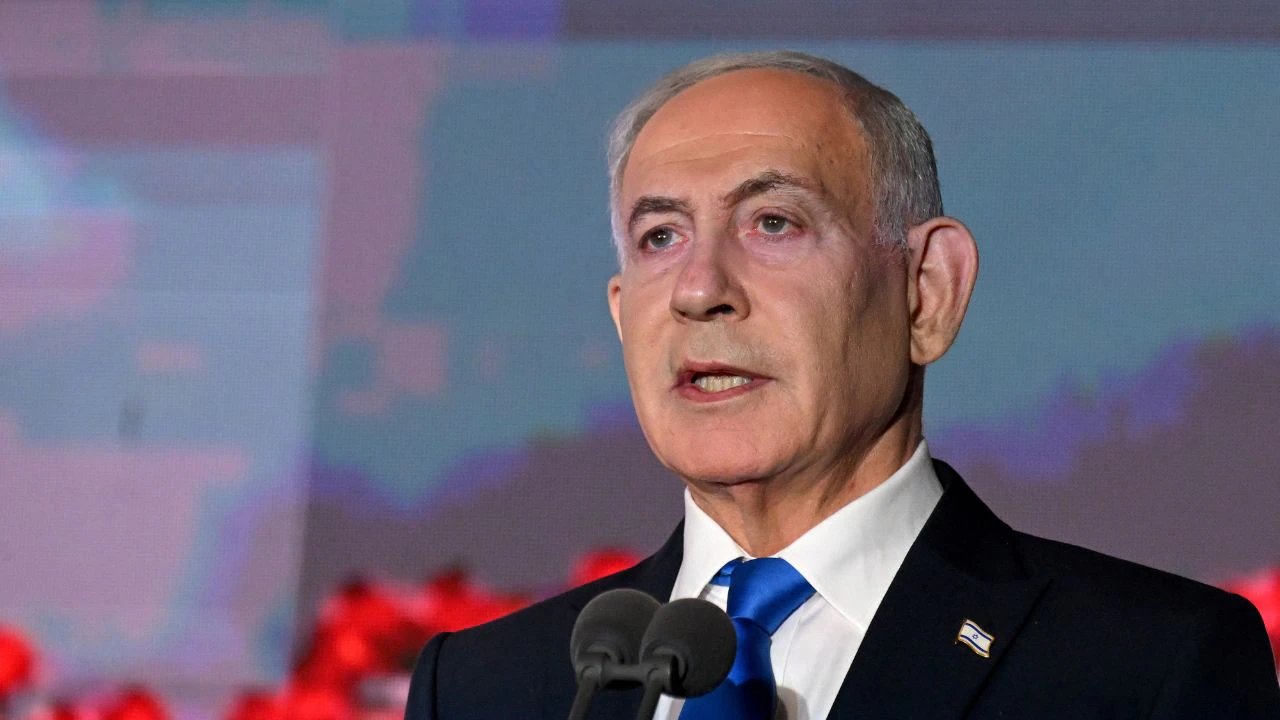
Benjamin Netanyahu stood before a roaring crowd in Jerusalem on May 28, 2026, and drew a hard line. "It is out of the question to have a government that is backed by Arab parties," he said, silencing the chanters momentarily. The statement landed with finality. He refused to rule through the support of Israeli Arabs, whose parties had just posted strong gains in the polls.
The numbers on the screen at the convention center told a different story. Exit polls from the three major TV stations showed Netanyahu’s Likud as the largest single party with about 27 seats. But his broader right-wing bloc and the rival bloc led by Gadi Eisenkot both hovered at 51 seats. That is a dead end. Neither side holds the 61 seats needed to form a majority. The remaining 18 seats went to Arab-led parties, making them the de facto kingmakers in a parliament that refuses to acknowledge them.
Netanyahu framed his stance as a matter of national unity for the "Jewish and Zionist majority." He pledged to work with US President Donald Trump to eliminate the "existential threat" posed by Iran, citing the military accomplishments of the past three years. The crowd, waving Israeli and party flags, chanted and sang, with Netanyahu briefly joining in a song. He did not claim outright victory, but the tone was one of a leader who believes the path forward lies exclusively with right-wing and religious factions.
The political reality is stark. If Netanyahu cannot assemble a 61-seat coalition from Likud, religious parties, and other right-wing groups, the country faces a second round of elections or a caretaker government. Gadi Eisenkot’s bloc appears equally locked out, lacking the extra seats to bridge the gap. The 18 Arab party members will watch from the sidelines, their votes technically decisive but politically untouchable for the prime minister.
What happens next is unclear. Netanyahu has days to negotiate with other right-wing leaders who may demand concessions or refuse to join a government that excludes the Arab vote. Without a clear path to a majority, the Israeli parliament may return to the polls, extending the uncertainty that has hung over the region since the recent military campaigns.