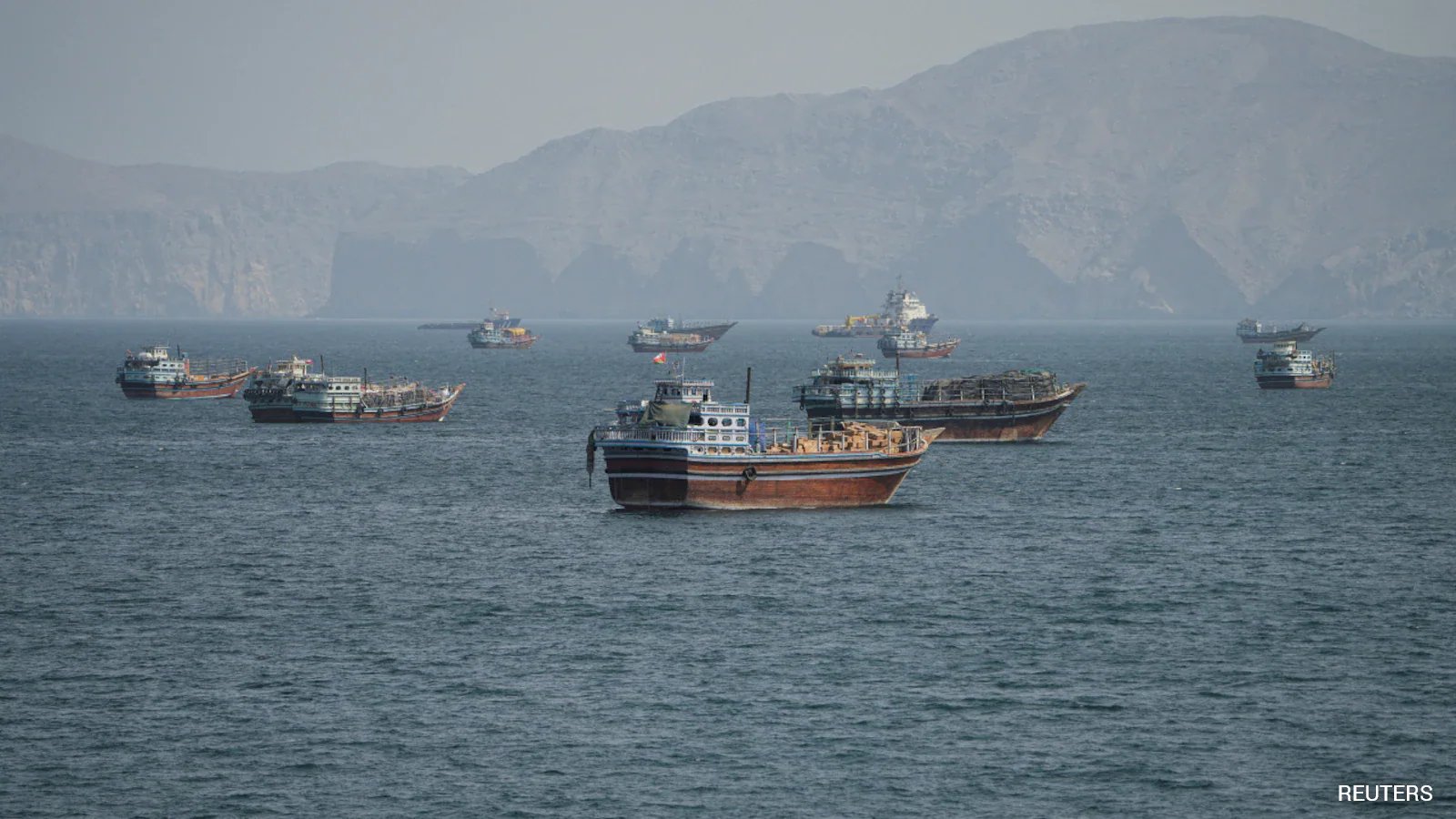
On Friday, a Panama‑flagged crude oil tanker carrying 27 Indian crew members was struck by two limpet mines in the Strait of Hormuz, sparking a chain of detonations that set the engine room ablaze and left the ship immobilised.
Limpet mines are small, conical explosives that attach magnetically to a vessel’s hull, and are designed to “mission kill” by disabling critical components. They have been used by navies worldwide since World War II, including the U.S. Navy in the 1970s.
The Iranian Revolutionary Guard said the mines were deployed to deter foreign vessels from using the unauthorized route through the Strait. They also announced that three oil tankers were halted after encountering incidents, and that two of them were set ablaze.
Marisks, a Greece‑based maritime risk group, warned that the ability of small craft to approach and deploy mines poses a serious security concern in the congested shipping lanes of the Strait. The incident echoes earlier mine attacks during the Iran‑U.S. war and has prompted calls for closer monitoring by Israel and the United States.
The tanker crew, all Indian nationals, are currently receiving assistance from Iranian authorities and are awaiting evacuation. Their families in India have been notified, and the ship’s owner is preparing to file a claim.
The vessel remains immobilised while salvage teams assess damage, and the Iranian Revolutionary Guard has pledged to investigate the incident, with a report expected by the end of the week.