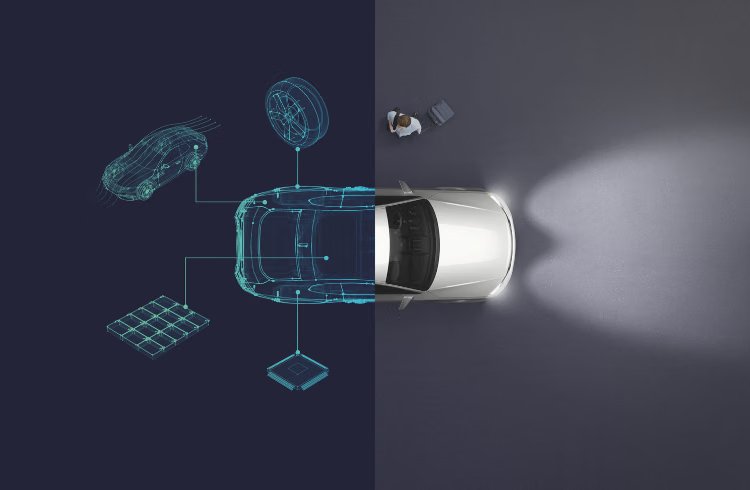
The move from hardware‑centric cars to Software‑Defined Vehicles means that a car’s value now depends more on its software stack than its metal body. For the average buyer, this translates into a vehicle that can get new features, such as advanced driver assistance or a richer infotainment experience, simply through a firmware update that lands on the cloud and travels over‑the‑air to your dashboard.
At the core of this shift is a complete rethink of compute architectures. Where once engineers designed chips around fixed, legacy hardware, today’s developers tailor silicon around AI workloads, connectivity services, and continuous over‑the‑air rollouts. That reverse engineering means suppliers are now selecting chips first, then building the rest of the vehicle around them. It also forces OEMs to partner with semiconductor firms that can deliver scalable, future‑proof platforms.
Virtualization and digital twins have become the lifeblood of SDV development, but they’re still fragmented. Each domain – from ADAS to infotainment – often runs in its own sandbox, and integration only happens when all the pieces finally meet on a physical chassis. That last‑mile collision of software, firmware, and hardware creates what insiders call an “integration storm,” where unforeseen dependencies can delay releases by months. The industry is racing to build system‑level simulations that can catch these clashes before any metal is installed.
India’s role in this evolution is pivotal. With a strong software‑engineering base and growing AI capabilities, the country is poised to become a hub for SDV innovation. New policies that streamline semiconductor import duties and incentivize domestic chip design are already on the table, aiming to reduce the time it takes for a new SDV platform to hit the market. For the consumer, that means the next decade could see cars that adapt more quickly to emerging safety standards, offer deeper personalization, and continue to evolve long after the purchase date.
The roadmap is clear: start delivering SDV‑ready platforms by mid‑2025, with full OTA support and AI‑driven features rolling out by the end of 2026. Indian manufacturers are already testing prototype chips that promise 50% lower power consumption for the same AI throughput, a figure that could shave a few kilometers off battery ranges if applied to EVs. As the ecosystem matures, buyers should watch for how quickly their car’s software ecosystem expands, since that will be the real differentiator in a market that’s shifting from hardware to code.