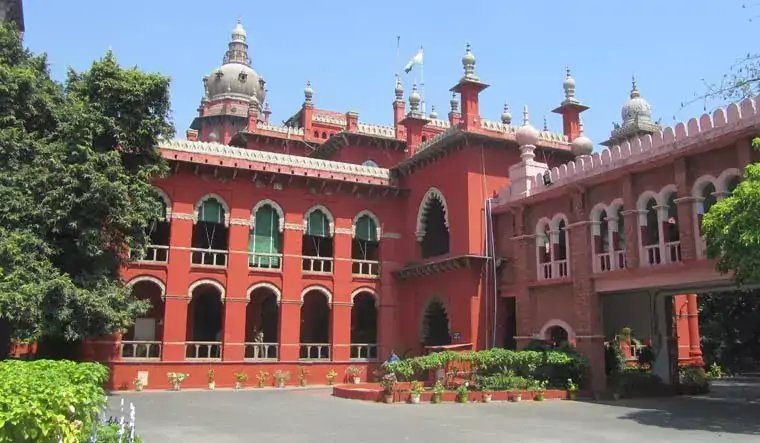
The Madras High Court, through a division bench of Chief Justice Sushrut Arvind Dharmadhikari and Justice G Arul Murugan, issued an order today preventing Tamil Nadu police from issuing permits for any public gathering that would target or intimidate a sitting judge. The directive came as part of a public‑interest litigation filed by activist R Karthikeyan, who argued that the judiciary was under threat from organised mob protests.
Karthikeyan’s petition highlighted a pattern of protests by groups such as the Tamil Nadu Thowheed Jamaath and the Tamil Nadu Muslim Munnetra Kazhagam, which had staged demonstrations against judges after a bench ruled that a converted Muslim was not entitled to reservations. By pointing out these incidents, the petitioner sought a judicial mandate to curb intimidation tactics that undermine judicial independence.
In its ruling, the court instructed police to evaluate each application for a public gathering on a case‑by‑case basis under the Bharatiya Nagarik Suraksha Sanhita (BNSS) and the local police act. Dharmadhikari warned that failure to apply these provisions could erode public confidence in the rule of law.
The order also empowers police to initiate criminal proceedings if a permitted protest devolves into a personal attack against a judge. This legal backing is intended to deter future mob intimidation and to reinforce the judiciary’s autonomy.
Following the court’s directive, police departments across Tamil Nadu are expected to review pending applications within 48 hours and to file a notice of intent to prosecute if any gathering shows signs of targeting judicial personnel. The next step will involve the police submitting a compliance report to the court by the end of the week, setting a precedent for how public order is managed around judicial activities.