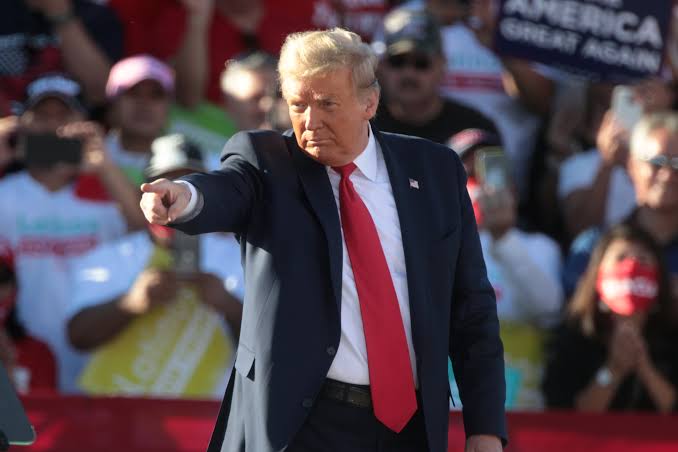
The November 3 ballot box is no longer just about ideology; it’s about the price of a tank of gas and the electricity bill. Americans are deciding who holds the gavel for the final two years of Donald Trump’s presidency, weighed down by a 3.4% inflation rate that has turned the 'American Dream' into a line item on a budget spreadsheet. This is the first midterm in decades where the cost of living isn’t just a talking point—it’s the headline. The stakes are tangible: control of the House and Senate determines whether the administration gets a rubber stamp or a legislative thorn in its side for the next 24 months.
The pocketbook is the battlefield. A Pew survey shows 29% of voters spontaneously named economic anxiety as their top priority—three times the next closest category. Joe Rainey Center data backs this up: 57% of respondents rank groceries, gas, and utilities in their top three worries. Trump’s tariffs, intended to shield US industry, have instead fueled a price war at the checkout counter. Opponents point to the receipt; the White House points to the revenue. Either way, the average voter feels the pinch, and the political fallout is immediate.
War has become a domestic issue. The conflict with Iran, raging since February, has spiked energy costs and eroded support across party lines. Reuters/Ipsos data reveals only 34% approval of Trump’s handling of the war—a number that stings even among Republicans. In a rare bipartisan moment, four Republican senators joined Democrats in September to vote for reining in the conflict. The message is clear: voters want stability, not another front in the Middle East draining the national treasury.
Immigration, once Trump’s strongest suit, is showing cracks. Aggressive ICE tactics have alienated key demographics, with Marist finding Democrats and Republicans essentially tied on trust. Among Latino voters in competitive districts, 62% disapprove of the administration’s enforcement. This isn’t just a policy disagreement; it’s a demographic shift that could flip swing districts. The president’s signature issue is now his biggest liability.
Then there’s AI. It’s no longer a tech-industry concern—it’s a neighborhood dispute. Pew found nearly half of Americans worried about AI’s economic impact, while 50% blame data centers for rising energy costs. In states like Ohio, candidates are campaigning against server farms, arguing they’re draining local water and power grids. Congress even argued over who pays the electric bill for these facilities in its final pre-election days. The future of AI is being decided by local voters who just want their lights to stay on.
The next two years hinge on these five fault lines: economy, war, immigration, ethics, and AI. If Democrats take power, they promise investigations into Trump family business dealings. If Republicans hold, the administration continues unchecked. The vote isn’t just about policy—it’s a referendum on whether the American public is willing to keep paying the price for a president who has turned every issue into a personal brand.