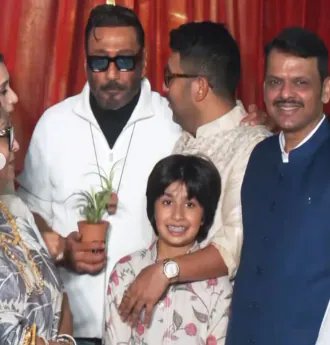
The night the streetlights flickered over Mumbai’s Juhu, the city watched as Jackie Shroff, carrying a sprig of green, stepped onto the stage at the Sangeetkar Bappi Lahiri Marg ceremony.
The plant he held was more than a token; it was a living promise that the family’s legacy will keep growing, even after the gunfire that rattled the city streets.
Chief Minister Devendra Fadnavis, in a brief but pointed speech, pledged state support, while Maharashtra’s Deputy Chief Minister Eknath Shinde personally checked on the Shroff residence later that night.
Police say three rounds were fired as Tiger’s car left the football club, striking the driver and an auto‑driver but sparing the actor himself. Deputy Commissioner Mohit Garg described the incident as a “narrow escape.”
The fallout hasn’t stalled yet. AICWA’s president, Suresh Shyamlal Gupta, sent a letter to Home Minister Amit Shah demanding a task force and fast‑track trials, echoing previous fears after Rohit Shetty’s own shooting scare.
The Federation of Western India Cine Employees joined the chorus, labeling the violence as “unacceptable” and demanding immediate action against the gang networks that continue to threaten Bollywood’s bright faces.
As the camera lens captured Jackie’s stoic face, the city’s pulse quickened—Bollywood’s biggest names may now find themselves wearing more than just the latest fashion. The road named after Bappi Lahiri will forever carry the echo of that night’s gunshots, reminding everyone that the industry’s glamour can’t shield it from street‑level terror.
Now, the real question is: will the government’s promises translate into safer streets for the next generation of film stars, or will the cycle of violence continue to haunt Mumbai’s silver screens?