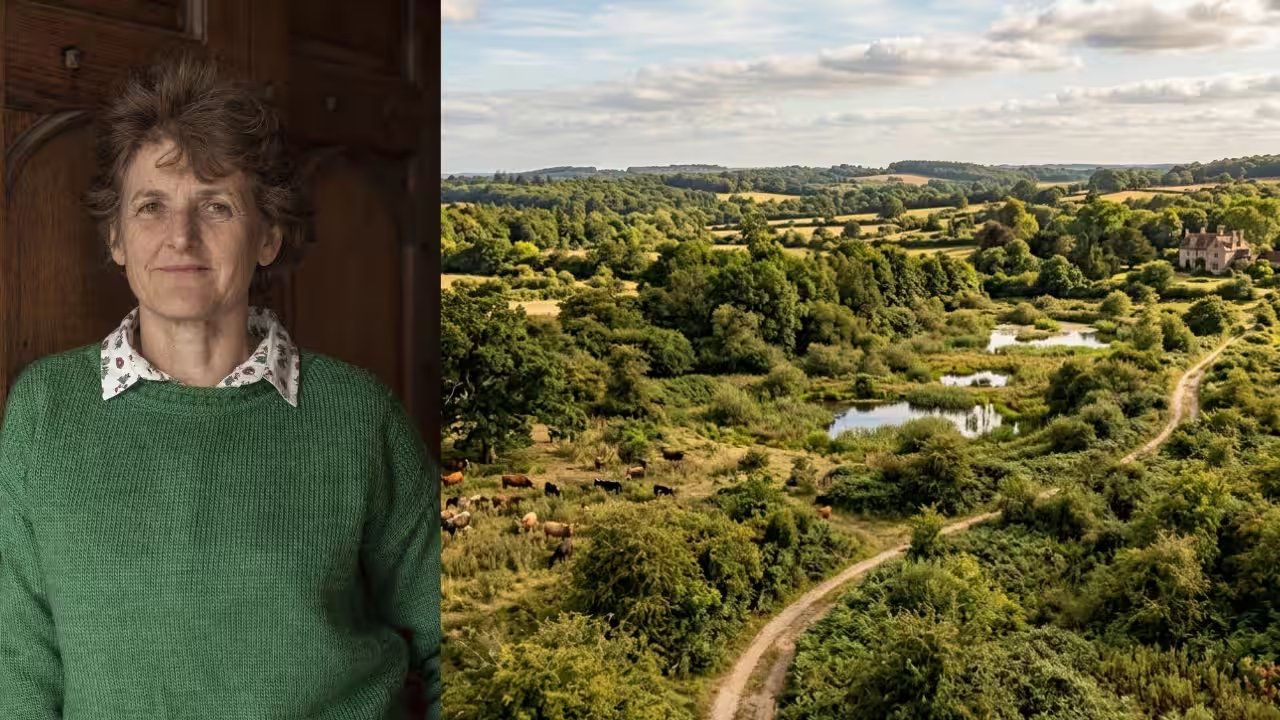
The move followed years of declining farm profits and a historic struggle to keep the 12th‑century Knepp Estate viable. Tree explained the choice as a "leap of faith" to replace paid labour and chemical inputs with natural processes.
Fences have been selectively removed, allowing fallow deer, Old English Longhorn cattle, Exmoor ponies, Tamworth pigs and red deer to roam freely. The animals mimic the grazing patterns of the pre‑industrial landscape, breaking up soil compaction and promoting plant diversity.
Ecologists and foresters advised the couple on a naturalistic grazing plan, and the results are already visible: earthworms have returned, soil structure has improved, and species such as purple emperor butterflies and nightingales—long absent from the area—are now common.
Neighbors initially balked at the sprawling thistles, fearing they would spread beyond the estate. The project turned the thistles into a food source for painted‑lady butterfly larvae, eliminating the need for herbicides.
The Rewilding Institute has highlighted Knepp as a flagship case, and the UK government cited it in its 2024 biodiversity strategy. The estate will expand its grazing regime and continue monitoring ecological gains over the next decade.
Local farmers report that the new grazing patterns are changing the character of surrounding fields, but the estate’s shift has sparked interest in similar rewilding pilots across the South East.