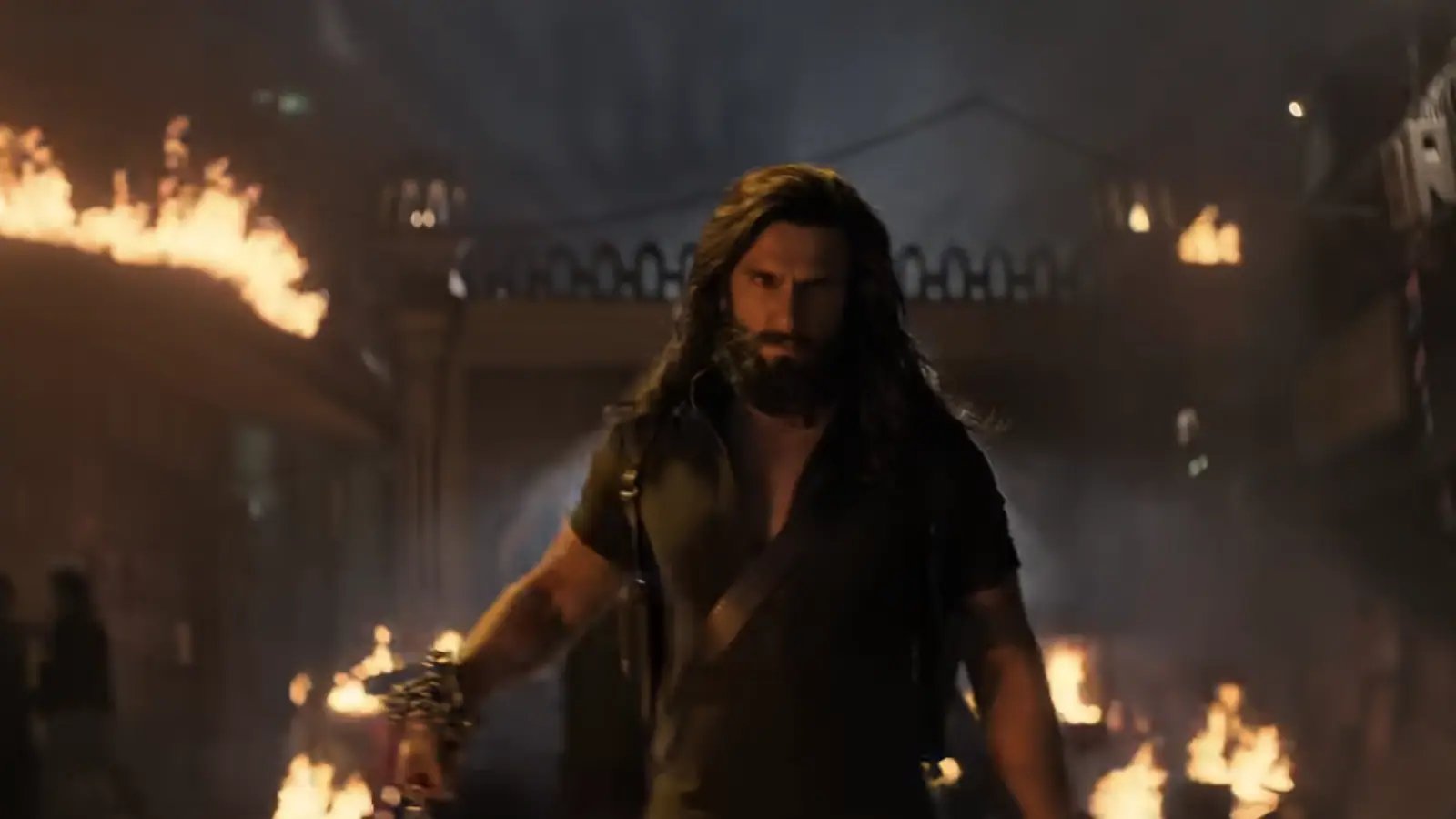
Ranveer Singh’s silence on the set of Dhurandhar was a quiet revolution, a deliberate pause that turned heads even before the first reel rolled. In a candid chat on the Everyday Empires podcast, Varun Gupta, the mind behind the campaign, said the actor stepped back because the franchise needed its own voice. “We didn’t need a star‑talked parade,” he mused, “we needed the story to shout.”
Varun’s agency, Max Marketing, was on board before the cast even did their first read. The team rolled out a 3.5‑minute promo six months ahead of the film’s release, a bold move that broke Bollywood’s usual 20‑day pre‑launch window. “When you give audiences a full‑length teaser, you let them feel the weight of the narrative,” he explained, echoing the director’s own insistence on letting the film’s assets speak louder than any trailer line.
The strategy hit a snag when critics slammed the lack of buzz. Aditya Dhar, the director, simply shrugged and redirected the energy toward the marketing team. “I told them to keep calm,” Gupta recalls, “because we were already in the right lane.” This calm contrasted sharply with Ranbir Kapoor’s Animal, where a full‑scale promotional push kept the star in the public eye, a tactic that left Dhurandhar’s quiet strategy looking almost radical.
The film’s first installment, released in 2024, punched through ₹1,300 crore worldwide, proving that a silent strategy can still generate a roaring response. The second part, Dhurandhar: The Revenge, followed suit, cementing the franchise as one of the most profitable in Indian cinema history.
In the end, the silence was a statement: let the story do the talking, let the audience decide. Dhurandhar’s success shows that in Bollywood, sometimes the loudest voice is the one that stays quiet.
Verdict: A silent promo can outshine a stadium full of ads, proving that strategic silence can be a blockbuster weapon.