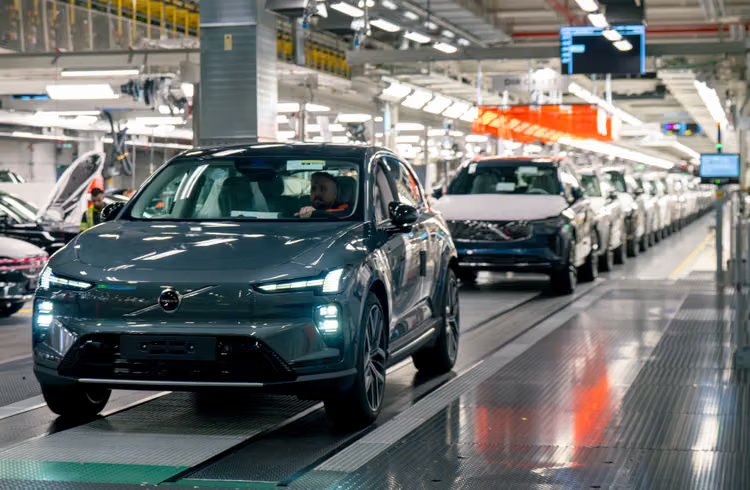
The upcoming price bump signals a shift in Volvo’s strategy on the Indian market. 3.5% isn’t just a number; it’s the cost of weaker rupees, tighter supply chains, and higher freight. Volvos’ managing director, Jyoti Malhotra, said the company can no longer absorb the increased expenses.
The EX90 itself is already a premium proposition. It carries a 400‑hp motor that delivers brisk acceleration, a WLTP range near 470 km, and a boot capacity of roughly 500 liters. Its base price sits at around ₹38 lakh, positioning it above the mainstream electric segment but below the very top tier.
In the same price band, the Tesla Model Y and Hyundai Ioniq 5 are vying for the same buyers. Tesla offers a longer range at a similar price, while Hyundai pushes a lower price point with comparable specs. Volvo’s power‑to‑range ratio is solid, but a price increase could erode its competitive edge.
The rise in cost isn't just corporate; it reflects broader policy pressures. Import duties on battery cells, a 28% GST on luxury cars, and a hefty road tax make the final sticker cost noticeably higher than overseas counterparts. Customers who have seen lower prices abroad now notice the tax gap.
The EX90 launched in early 2025, with deliveries slated for the first quarter. The company is struggling to meet demand during the festive season, when buyers expect rapid turnover. Volvo hopes to smooth the supply bottleneck over the next few months, but the timing of the price rise remains uncertain.
What buyers should keep an eye on is the timing of the price adjustment. A mid‑year hike would push the sticker price to roughly ₹39.4 lakh, while delivery windows could shift further. The broader luxury EV scene, with its high taxes and supply volatility, will likely see more brands follow suit if the rupee remains weak.