Tata’s latest Altroz CNG now sits at ₹6.99 lakh, giving a 350‑km range on compressed natural gas—an attractive price‑per‑km for city commuters who want to dodge diesel surcharges.
The Altroz isn’t the only contender in the budget CNG segment. Tata Tigor CNG comes in at a slightly lower ₹6.5 lakh and offers a 300‑km range, while Maruti Suzuki Wagon R CNG sits around ₹5.8 lakh with a 250‑km span. The Hyundai i20 CNG, expected early next year, will bring a 280‑km range and a higher price point, nudging the market toward a spectrum of options.
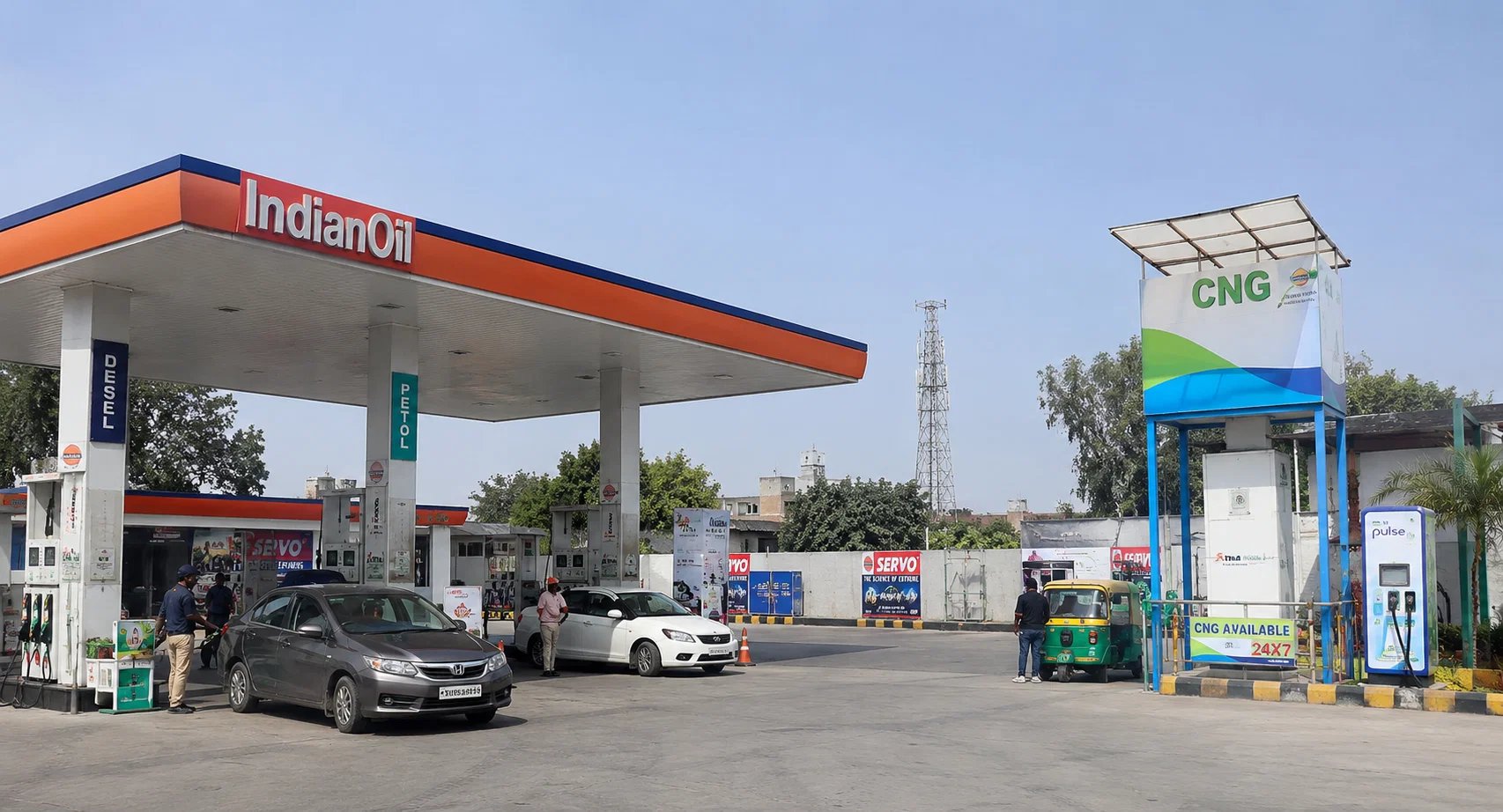
But a price‑cut doesn’t automatically translate into a smooth ride. Across India, CNG stations are still sparse, especially outside major metros. A typical route that works for a diesel truck might not have a CNG stop in the middle, forcing drivers to plan detours or carry extra fuel. Meanwhile, electric charging points are proliferating in tier‑one cities but remain limited outside, creating a patchwork of accessibility.
Policy has tried to bridge the gap: the Central Government’s fuel‑efficiency scheme offers a ₹3,000 rebate on CNG vehicles, and several state governments subsidise the installation of CNG cylinders at petrol stations. Yet, the data layer that would let a fleet manager see both diesel and CNG availability on a single map is still missing, so planners juggle separate apps and spreadsheets.
The Altroz CNG is available nationwide from 2023, with a rollout that began in Delhi, Mumbai, and Bengaluru. Buyers should keep an eye on the next wave of infrastructure—especially the government’s “Smart CNG Stations” project—which promises integrated fuel‑type dashboards. When that layer arrives, the Altroz’s value proposition will sharpen, making it easier for fleet operators to switch from diesel to CNG without sacrificing route reliability.