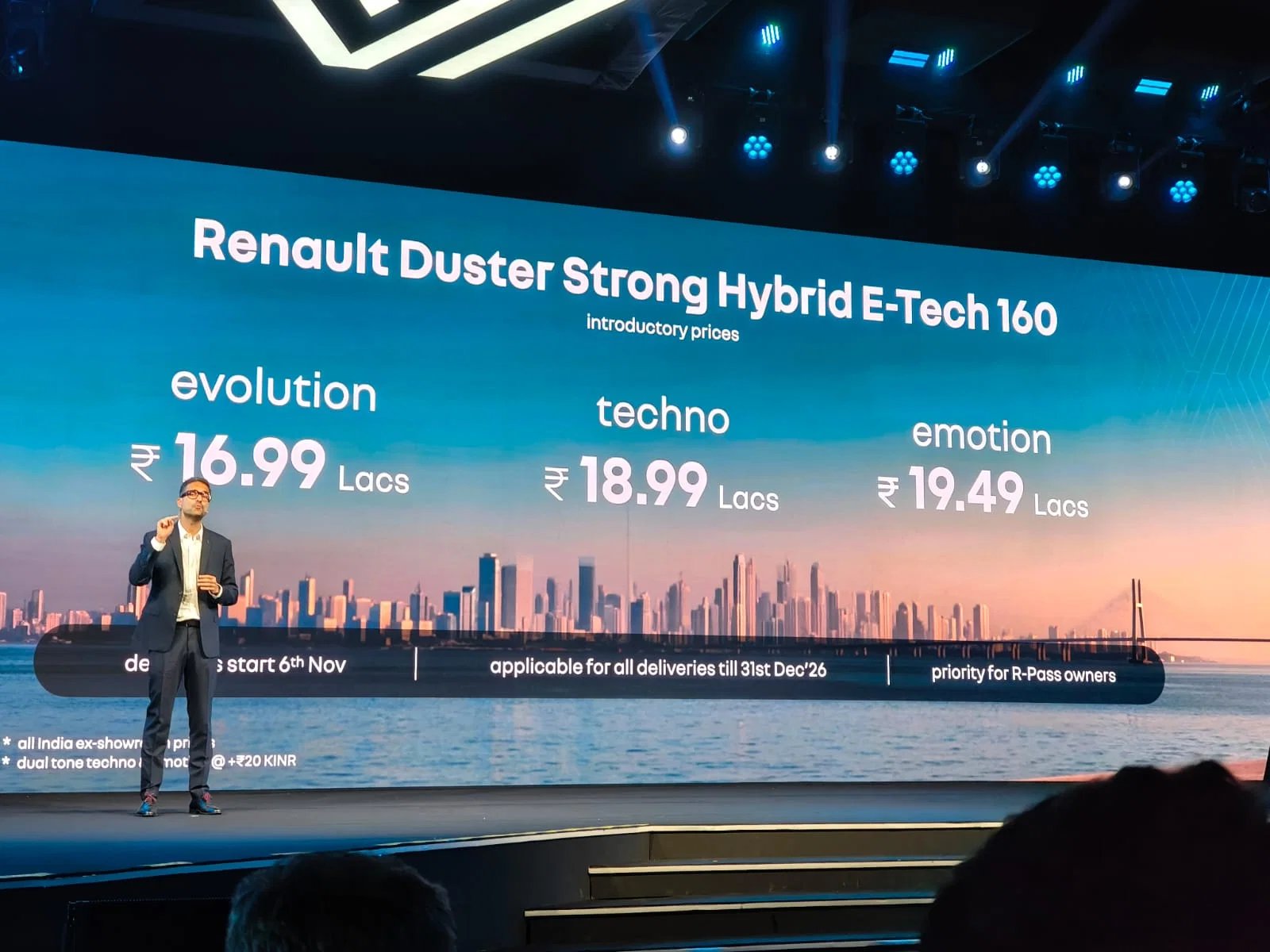
Renault has rolled out the Duster Strong Hybrid E-Tech 160 with a 1.8‑litre petrol engine coupled to two electric motors and a 1.4‑kWh battery, pulling a combined 160 PS. It clocks an ARAI‑certified 29 km per litre — a clear jump over the diesel‑powered Duster’s 112 PS and roughly 22 km/l figure, and a sweet spot for cost‑conscious buyers who want SUV space without the diesel smell.
But the real selling point isn’t just the numbers; it’s how the hybrid fits into India’s new fuel‑efficiency rules. From 1 April 2027, the Corporate Average Fuel Economy (CAFE III) framework will tighten the fleet‑average benchmark to 3.3273 litres per 100 km by 2032. With a volume multiplier of 1.6 for hybrids, each Duster Strong Hybrid will count more favourably in Renault’s fleet average, easing the brand’s compliance path.
Renault isn’t stopping at hybrids. It already offers CNG kits for the Triber and Kiger and is developing a factory‑fitted dual‑cylinder CNG set that sits under the body to save boot space. On the electric front, the company announced a seven‑model plan by 2030, including a Bridger‑based compact SUV that can run on petrol, hybrid or full electric power. That breadth gives buyers a choice of cleaner options while the brand rebuilds market share.
For the average buyer, the Duster Strong Hybrid is now on sale in major metros and is slated to hit smaller markets by the end of Q3 2024. Keep an eye on the upcoming CNG‑fitted Triber and the Bridger SUV, as these will offer even lower running costs and higher resale value under the new CAFE framework.