The latest IFTRT data shows a 33.6% month‑on‑month rise, taking total commercial‑vehicle sales to 44,323 units in September from 33,956 in August. That’s a jump of 10,367 new pickups, trailers and cargo trucks, a figure that translates into a sharp uptick across the entire heavy‑commercial segment, especially where mining and construction projects have stalled during the pandemic.
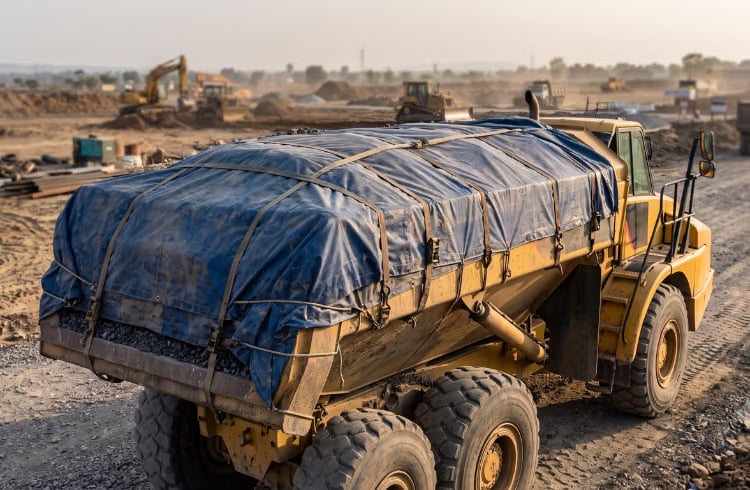
Tipper sales alone spiked 56% to 8,567 units, up from 5,486 in August. The surge is almost entirely from the coal and mineral corridors of West Bengal, Jharkhand, Odisha and Chhattisgarh, where rail‑to‑road hauls for iron ore, limestone and coal have restarted at full tilt.
Cargo trucks in the heavy‑commercial tier grew to 17,533 units, while medium‑commercial vehicles hit 6,433 and light‑intermediate ones climbed to 11,790. The growth spread fairly evenly across the 7.5‑tonne to 18.5‑tonne classes that dominate medium‑haul logistics.
Long‑term freight contracts, once a niche 8–10% of road freight, now make up 25–30% of domestic logistics activity. Large manufacturers, retail chains, gas distributors and e‑commerce giants are locking in permanent hauls, which nudges fleet operators toward covered‑body, intermediate‑weight trucks—shifting the buying curve toward brands that can meet the 7.5–18.5‑tonne window.
Yet the lift is uneven. Organized fleets and common carriers—making up about 8–10% of the freight ecosystem—are responsible for 65–70% of new vehicle purchases, while small operators still wrestle with low utilization and informal debt. The disparity hints at a future where market consolidation could tighten.
Looking ahead, the trend toward formalised freight is likely to keep rolling into 2027, especially as the government pushes for greater digitisation of logistics and potential duty waivers for green‑fleet conversions. For buyers, watching the next IFTRT release will reveal whether the mining‑driven tailwind continues or whether economic headwinds will temper the current growth trajectory.