The Indian government earmarked Rs 113,767 crore for Jammu and Kashmir in its 2026‑27 budget, announced on July 15, 2023. That figure dwarfs the Rs 28.6 billion set aside for Pakistan‑occupied Kashmir, making the former’s total budget roughly eleven times larger. Per resident, J&K receives about 3.7 times the public funds that a PoK resident gets, according to the Ministry’s latest data. The disparity underscores a systemic imbalance in fiscal prioritisation across the Line of Control.
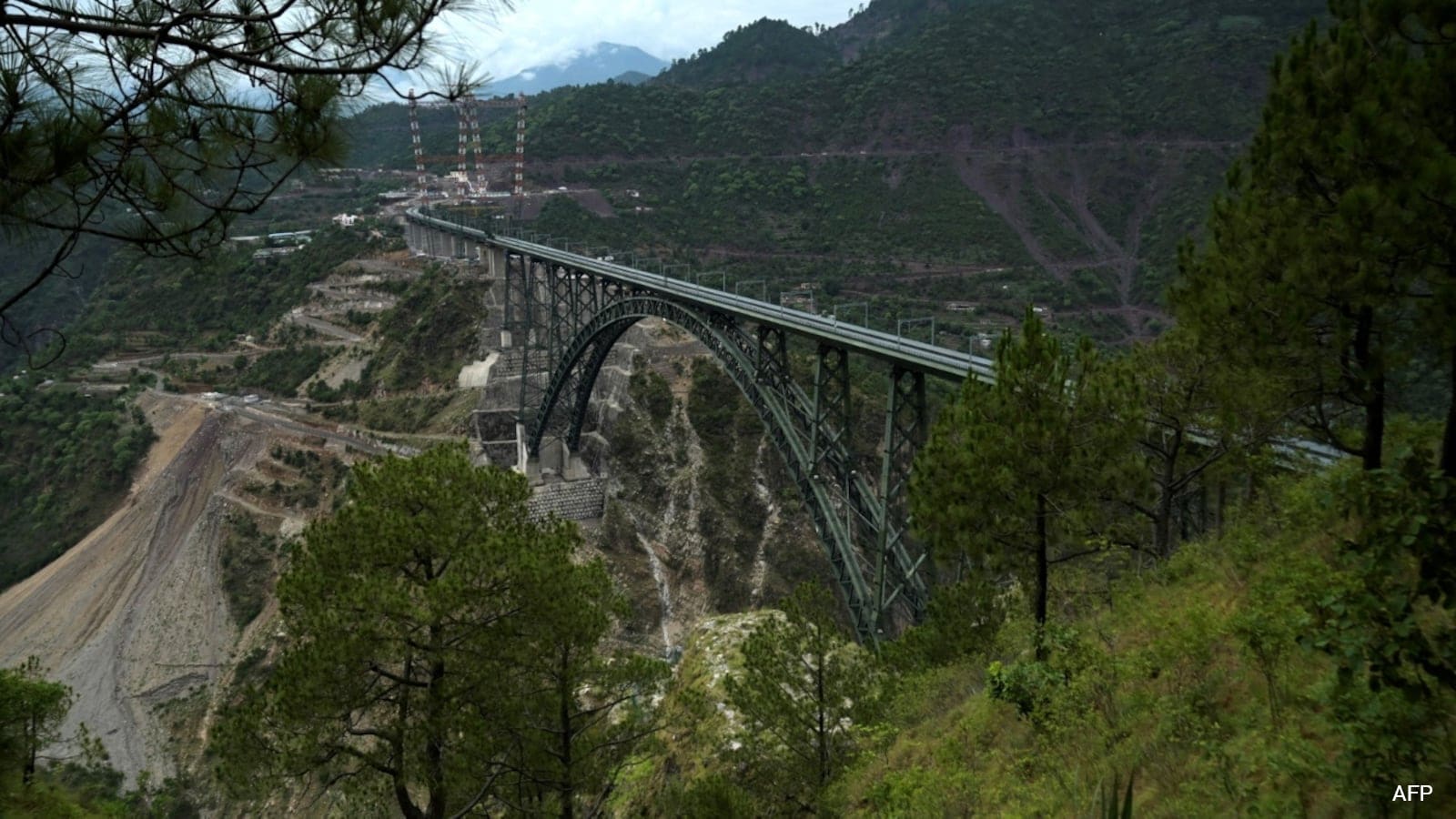
Infrastructure tells a similar tale. J&K’s 272‑km rail corridor, crowned by the world’s tallest arch bridge over the Chenab, connects the valley to the national network, while PoK’s airports at Muzaffarabad and Rawalakot remain shuttered since 2006. Electricity consumption per capita in J&K stands at 1,532 kWh, more than three times PoK’s 408 kWh, and the region satisfies 98.6 % of its energy needs versus PoK’s shortfall of 70 MW. The lack of a rail link and limited power supply have fueled protests in PoK since 2023.
Higher education also widens the gap. J&K hosts IIT Jammu, IIM Jammu, NIT Srinagar and two AIIMS, with 1,875 MBBS seats annually—more than triple PoK’s combined 1,655 enrolments across three medical colleges. While literacy rates hover around 82 % in J&K versus 77.5 % in PoK, the real divide appears in tertiary access. The presence of flagship institutions attracts talent and investment, reinforcing the region’s developmental edge.
Health outcomes mirror the funding chasm. The infant mortality rate in J&K fell to 14 deaths per 1,000 live births in 2024, a stark contrast to PoK’s 47‑51 range in 2020‑21 and Gilgit‑Baltistan’s 43 in 2024‑25. Hospital bed density in J&K is more than double PoK’s, and the region’s 17.8 million tourist visits in 2025 outstripped PoK’s 3.21 million in 2024. These metrics point to unequal access to healthcare and economic opportunity.
Politically, J&K enjoys five Lok Sabha seats, whereas PoK and Gilgit‑Baltistan hold none. The next fiscal review will likely see the Finance Ministry reassessing allocations to address the widening gap. Stakeholders in both territories await the 2024‑25 budget for a potential recalibration.