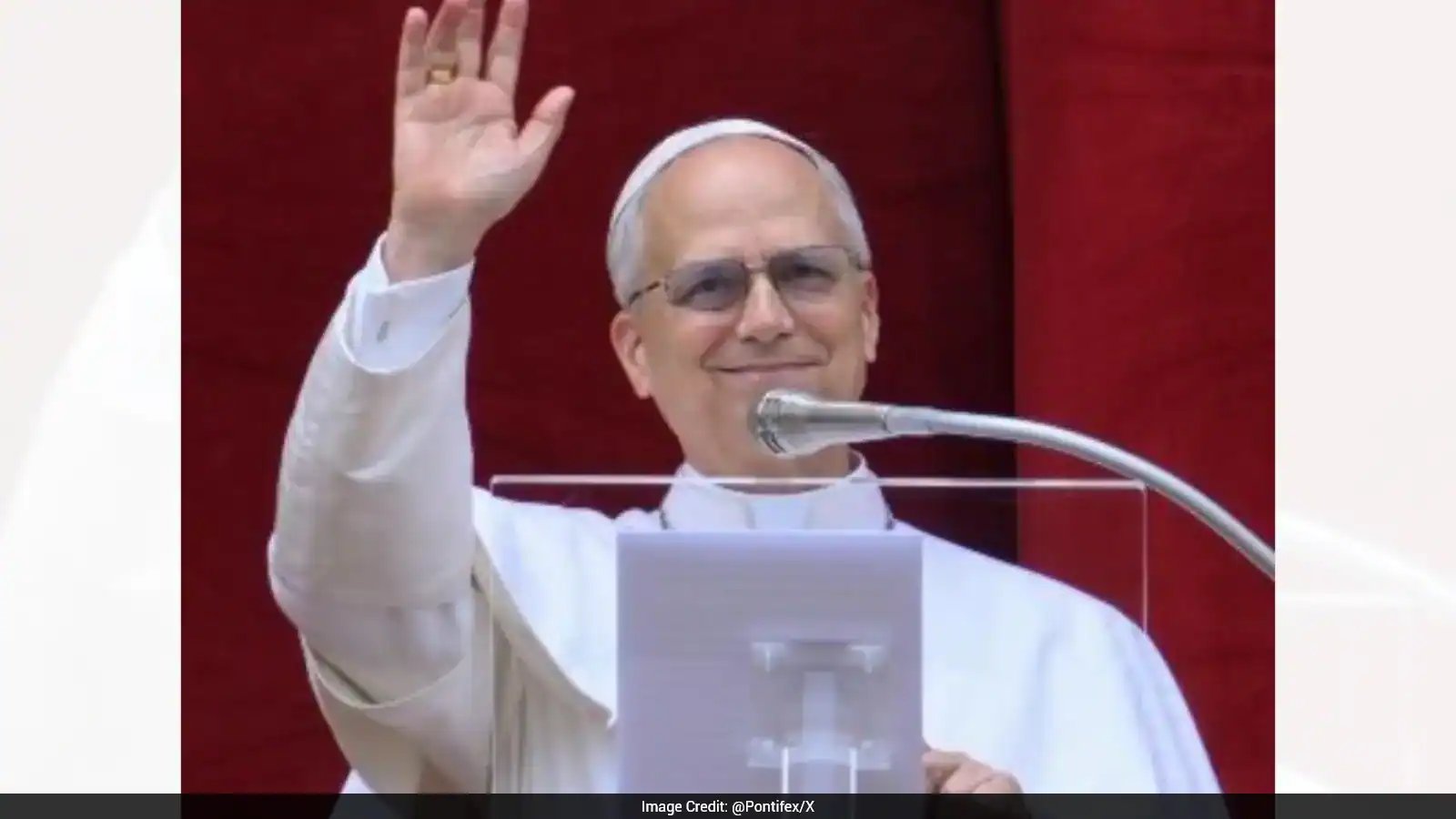
The Vatican has entered the AI debate with a philosophical hammer. On October 2, 2026, Pope Leo XIV declared that human art and machine-generated content are not just aesthetically different—they are fundamentally different in being. He called the distinction "urgent," arguing that algorithms lack the soul inherent in human creation.
"There is an ontological difference, even before an aesthetic one," the Pope wrote in his post. He rejected the idea that AI is merely a tool, describing it as a system that churns out results based on "statistical calculation based on millions of images created by others." For Leo XIV, this isn't about copyright or job loss. It’s about the nature of creation itself.
The pontiff isn't just theorizing. He announced the Church intends to renew its alliance with artists and cultural institutions. The goal? To build a global framework that safeguards "humanity" in an era where a robot can paint a masterpiece in seconds. This moves the conversation from tech ethics to cultural preservation.
Reaction from the art world is likely to be mixed, but the Vatican’s stance gives weight to the growing movement labeling AI art as "synthetic." As generative models flood galleries and social feeds, the Pope’s call for a clear line between human and machine could shape how museums, publishers, and viewers judge value.
The Vatican will likely unveil specific guidelines or partnership frameworks in the coming months. For now, the message is clear: if it wasn't made by a human hand or mind, it doesn't count as art in the eyes of the Church.