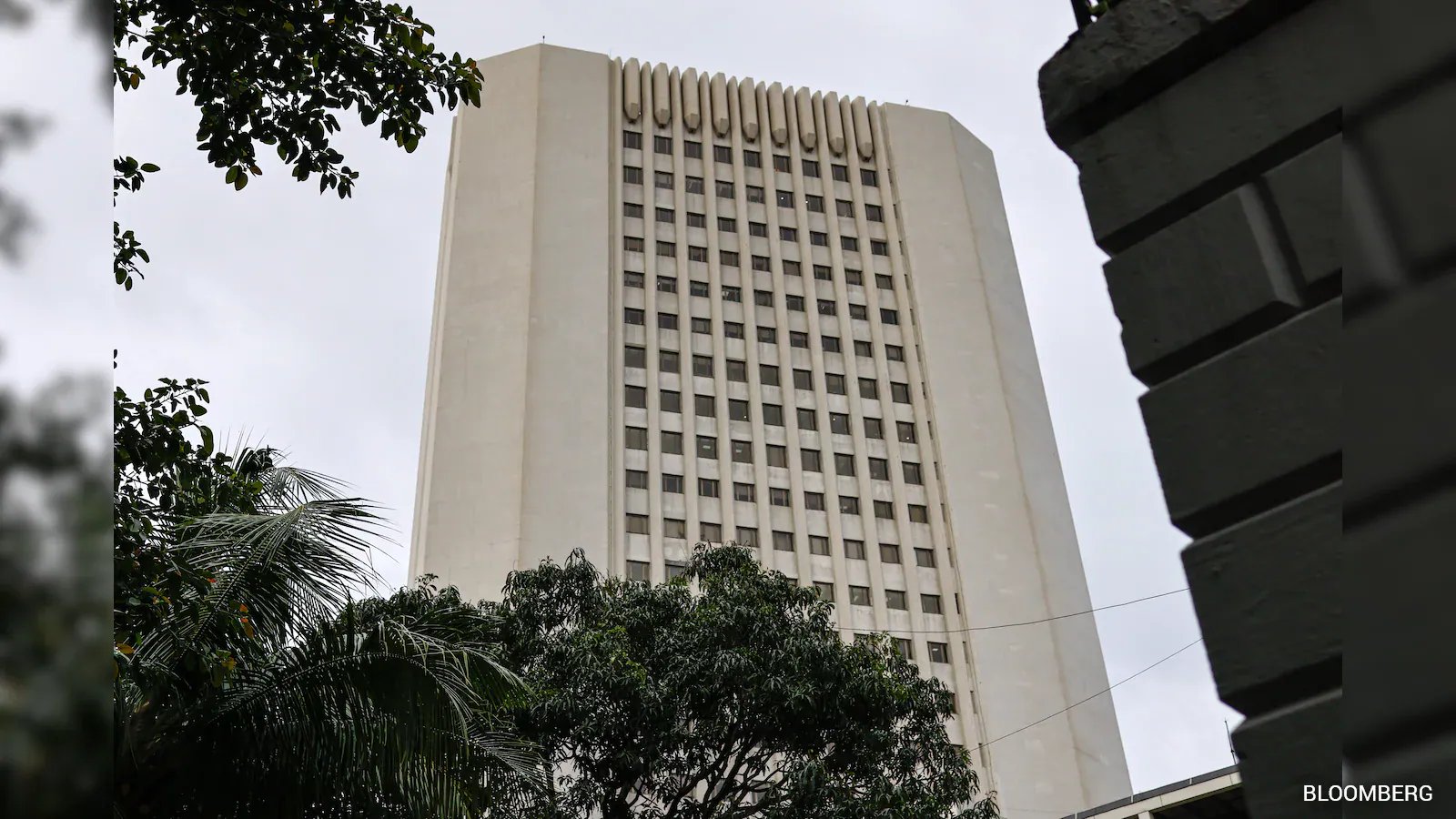
The decision came after a sharp rise in headline inflation to 4.8% and the rupee sliding to a record low of 96.38 per dollar, prompting the RBI to weigh the cost of cooling an overheating economy.
Governor Sanjay Malhotra, who assumed office in December 2024, had steered the bank through a series of cuts last year; this hike marks the first change in policy stance under his tenure, a move that surprised markets that had expected a pause in tightening.
Bond markets reacted immediately, with the 10‑year government yield jumping to 7.23%, the highest in more than two and a half years, as investors priced in a likely path of further hikes. Meanwhile, the Nifty 50 slipped for the eighth straight week, its longest losing streak in a quarter-century, and foreign investors have already withdrawn a record amount from Indian equities this year.
Analysts say the RBI will likely raise its inflation projection by about 10 basis points and may consider an additional 25‑basis‑point increase by February if price pressures persist. In the streets, a Delhi shopkeeper in Chandni Chowk worries that the hike could eventually ease the grocery price spiral that has been eating into small‑business margins.