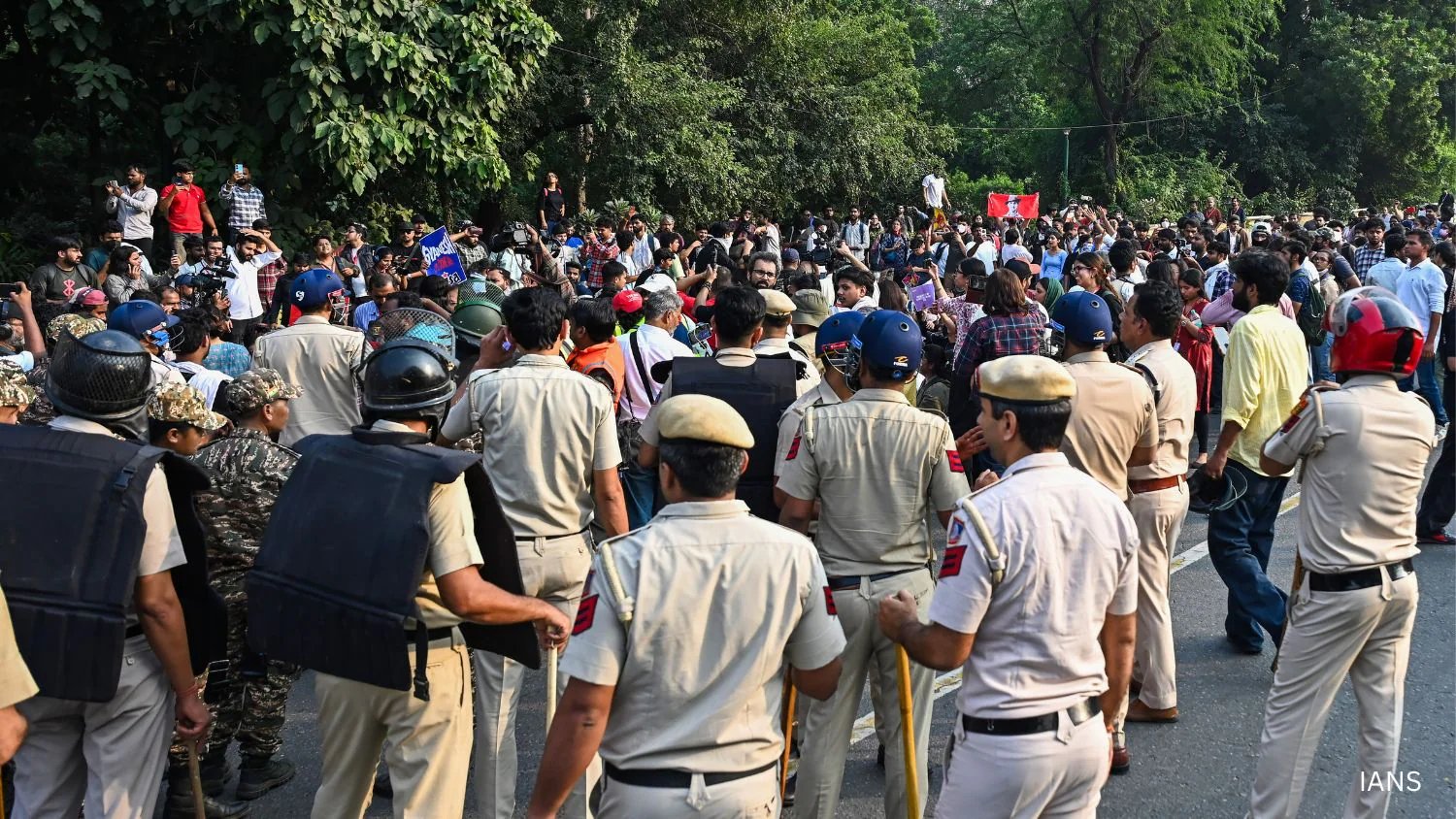
Delhi Police Commissioner Anurag Kumar has stripped Jantar Mantar of its status as a designated protest site. The order, issued following recommendations from a Union Home Ministry committee, shifts the legal right to demonstrate to three new locations: Ramlila Ground, Burari Ground, and CBD Ground in East Delhi. This is a stark departure from the status quo that has defined capital politics for decades.
The timing is not accidental. It lands squarely in the middle of a fierce political standoff. The INDIA opposition bloc and the satirical group Cockroach Janta Party (CJP) have been staging protests in central Delhi against Chief Election Commissioner Gyanesh Kumar over the special intensive revision (SIR) of voter rolls. These groups, who have relied on Jantar Mantar’s visibility near Parliament and the President’s House, will likely frame this move as a deliberate attempt by the Centre to silence dissent.
But the Police Commissioner’s office argues the change is about traffic and security. Jantar Mantar sits in the high-security zone, surrounded by critical government infrastructure. The gridlock it causes during major rallies has long frustrated commuters and security personnel. By moving protests to East Delhi, the administration aims to clear the central artery and reduce friction in the capital’s most sensitive area.
The mechanics of this shift are still being worked out. The police stated that specific Standard Operating Procedures (SOPs) for the new venues would be issued separately. Until those rules are published, the legal landscape for organizing a sit-in in Delhi remains in a state of flux.
Expect the backlash to be immediate and loud. Opposition leaders are already preparing to criticize the move as an anti-democratic tactic. For now, the stage for Delhi’s political theatre has moved east, but the audience remains in the center.