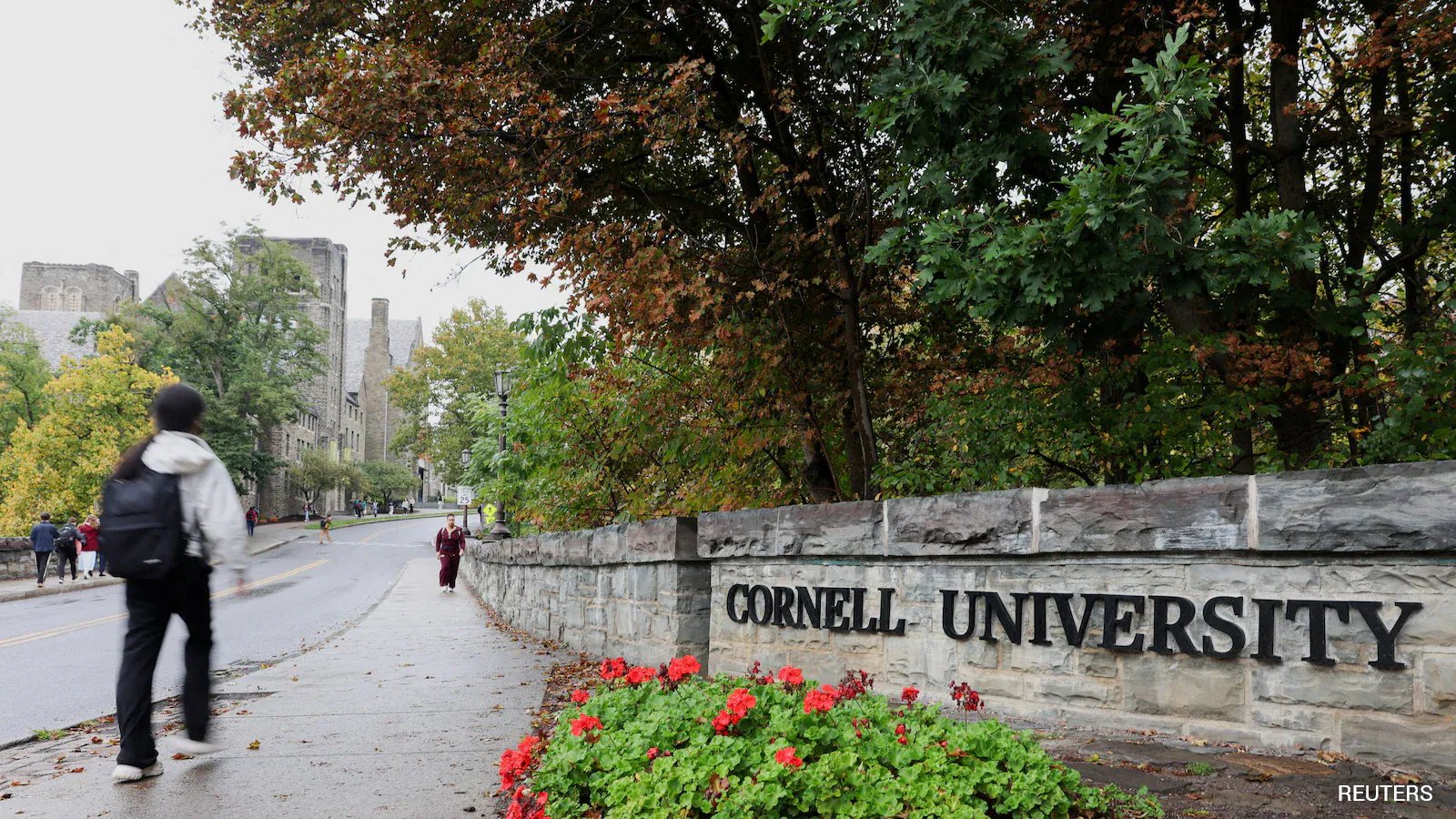
Governor Kathy Hochul announced on Thursday that she had appointed New York Attorney General Letitia James as special prosecutor to lead a renewed criminal investigation into a gang‑rape case that unfolded at Cornell University in October 2024. Hochul said she lost confidence in Tompkins County District Attorney Matthew Van Houten after the latter declined to file charges following a police interview with the alleged victim.
The incident began when Jane Doe, a former Cornell student, was invited to the Chi Phi fraternity house, where she says she was given ketamine, marijuana, and alcohol before being assaulted by seven former members. Doe filed a lawsuit last month, accusing the university and the men of violating Title IX and seeking damages for the trauma she endured.
Cornell’s Title IX panel conducted a 12‑day hearing, interviewed 32 witnesses, and reviewed 50 interviews. The panel concluded that while Doe initially consented to sex with one fraternity member, she was later pressured into drug use and was too intoxicated to give valid consent. A university‑appointed lawyer has filed documents to overturn the disciplinary punishment and remove it from the accused student’s record.
Letitia James will now scrutinize the 99‑page report and the 50 interviews, and is expected to file criminal charges within weeks. The outcome will determine whether the case proceeds to court and could set a precedent for how universities handle similar allegations.
The decision to appoint a special prosecutor signals a shift in how the state will confront sexual assault allegations on college campuses, and the probe may influence future Title IX investigations across the country. The university’s legal counsel has urged the prosecutor to consider both the victim’s testimony and the conflicting accounts from the accused men.
As the investigation opens, the victim’s community is watching closely, hoping that the new scrutiny will bring accountability and prevent future abuses. The next development is expected to be a formal filing of charges, which will be announced by the prosecutor’s office before the end of the month.
In the meantime, Cornell has reaffirmed its commitment to student safety and has pledged to review its procedures for handling sexual misconduct allegations.
The case underscores the legal and moral complexities that universities face when balancing procedural fairness with the imperative to protect vulnerable students.