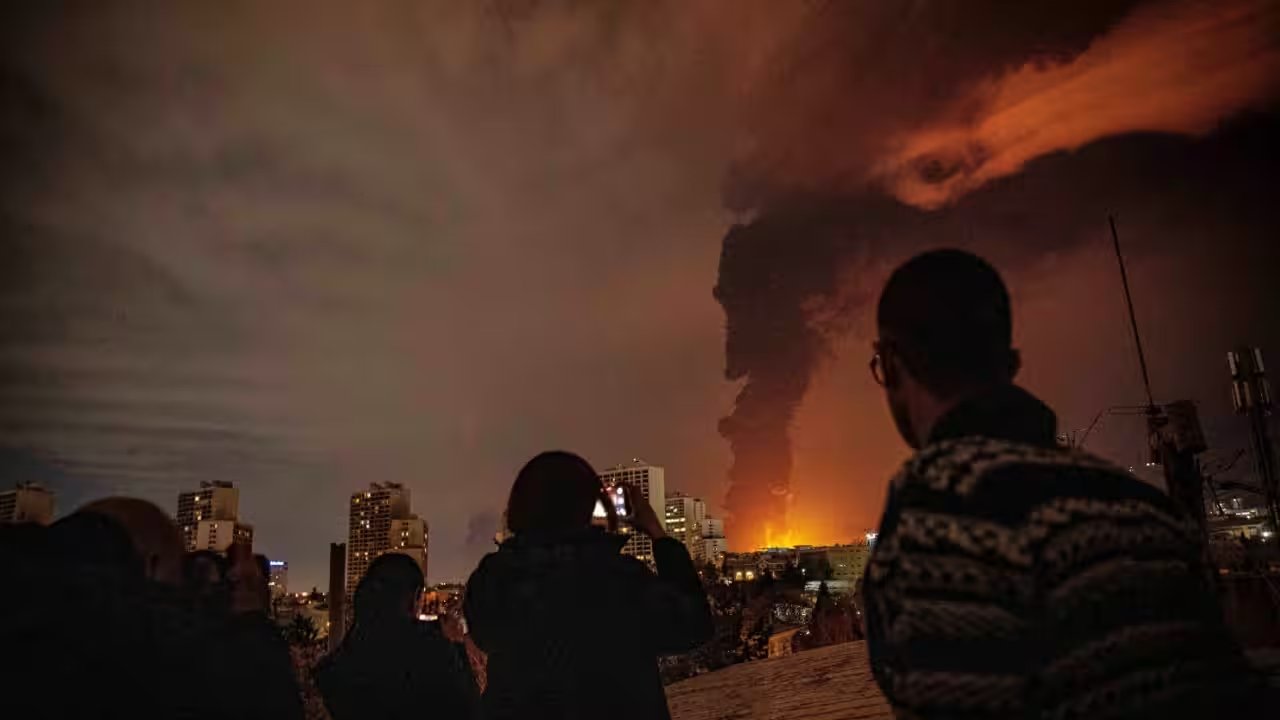
The capital’s streets buzz with hurried shopping trips as families, spooked by recent geopolitical shifts, fill their cupboards with rice, cooking oil and over‑the‑counter drugs—an uptick that followed midnight polls in Washington and Jerusalem, which could tilt regional balances.
Fereshteh Hajipour, 35, insists she has stocked up on painkillers and canned goods because she fears “possible war and bigger bombs.” Her grocery run cost roughly 200 million rials—half a mid‑range salary—while rice prices have surged 60% and beef 150% since the last flare.
Gym trainer Hashem Vajdani, 45, says he packed his belongings for a move to a safer northern town, citing a spike in threats against the capital. He added that the threat level feels “unprecedented” after the elections.
Strait of Hormuz incidents have pushed merchant ships to reroute, prompting 39‑year‑old Mohammad Abedi to buy dried dates, cooking oil and rice for his family. He worries the situation could worsen.
Former government official and University of Tehran professor Sasan Karimi warns that Iran’s leadership expects further strikes regardless of the US mid‑term outcome, citing a long‑standing hostility that “remains unchanged.” Local officials have urged residents to report suspicious activity, and an emergency briefing is slated for June 10.
Rasool Ghanbari, 50, echoes Karimi’s sentiment, saying the country must brace for “another wave of attacks.” The looming threat has amplified shortages, driving up prices and forcing many to consider leaving the city entirely.