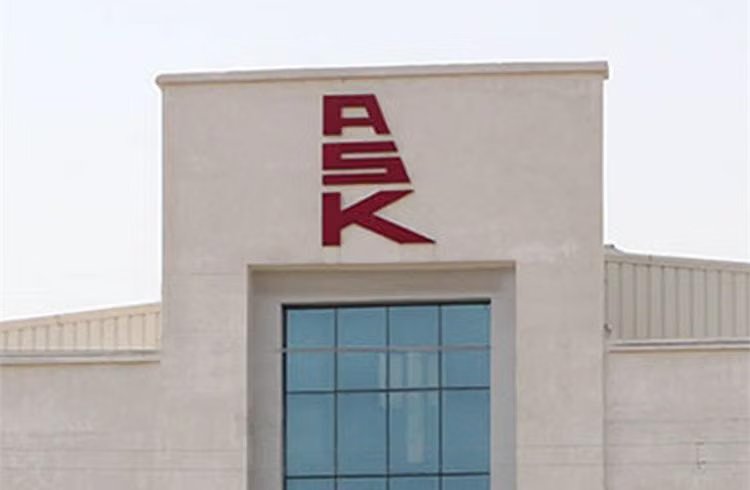
Krishan Swaroop Malik’s arrival at the helm of ASK Automotive’s ALPS division comes at a time when every kilogram shaved off a car can translate into a longer EV range or a smaller battery footprint. The company, listed on the BSE and NSE, has built its reputation around precision aluminium parts that cut weight while keeping strength intact.
In the past decade, Indian OEMs have leaned heavily on aluminium to meet the 2025 emission targets and the growing demand for electric vehicles. The ALPS division’s focus on lightweighting dovetails with policy initiatives that reward manufacturers for reducing carbon intensity. Buyers of new cars can expect that suppliers like ASK, under Malik’s seasoned leadership, will deliver components that help vehicles stay compliant and competitive.
Malik brings 35 years of hands‑on experience from giants such as Honda, Mahindra Two Wheelers, and Delphi. His background in operations, manufacturing, and technology integration is a good fit for a division that must integrate new alloys into complex production lines. Compared to peers like Tata’s Advanced Materials unit or Ashok Leyland’s light‑weighting arm, ASK’s emphasis on precision machining and supply‑chain agility could offer OEMs a faster route to weight‑reduced parts.
The appointment follows the board’s approval by the Nomination and Remuneration Committee, and the company has complied with SEBI’s disclosure norms, underscoring transparency for investors. For the industry, it signals that ASK is serious about expanding its footprint in the high‑growth segment that fuels the transition to cleaner mobility.
Malik will start his role on 12 October 2026, and early this year the division is slated to unveil a new line of aluminium‑based chassis components that promise up to 8% weight reduction for mid‑size cars. Buyers watching the market should keep an eye on how these parts perform in real‑world testing, especially in the nascent electric‑vehicle segment.
Looking ahead, the next few months will bring product roll‑outs and potential collaborations with major OEMs. As the Indian government tightens its emission guidelines, the demand for lightweight components will only accelerate, making Malik’s stewardship a pivotal moment for the supply chain.
For consumers, the ripple effect means faster charging, extended range, and lower running costs. For manufacturers, it translates into a smoother path to meet regulatory deadlines without sacrificing performance.
The launch timeline for ASK’s new lightweight components is set for early 2027, with initial deliveries to flagship models starting in Mumbai and Bengaluru. Industry watchers should monitor the rollout schedule and the integration of these parts into upcoming EV platforms.
In sum, Malik’s appointment is more than a leadership shuffle; it’s a strategic recalibration that could shape the trajectory of India’s light‑weight automotive ecosystem.
As the EV landscape evolves, stakeholders will watch how ASK’s ALPS division leverages its expertise to deliver weight‑saving solutions that keep Indian cars competitive on the global stage.
The real test will be whether these lightweight parts can consistently deliver performance gains across diverse manufacturing environments, a challenge that Malik’s extensive experience positions him well to tackle.
For now, the announcement sets the stage for a new chapter in India’s push toward greener, lighter vehicles—one precise aluminium component at a time.