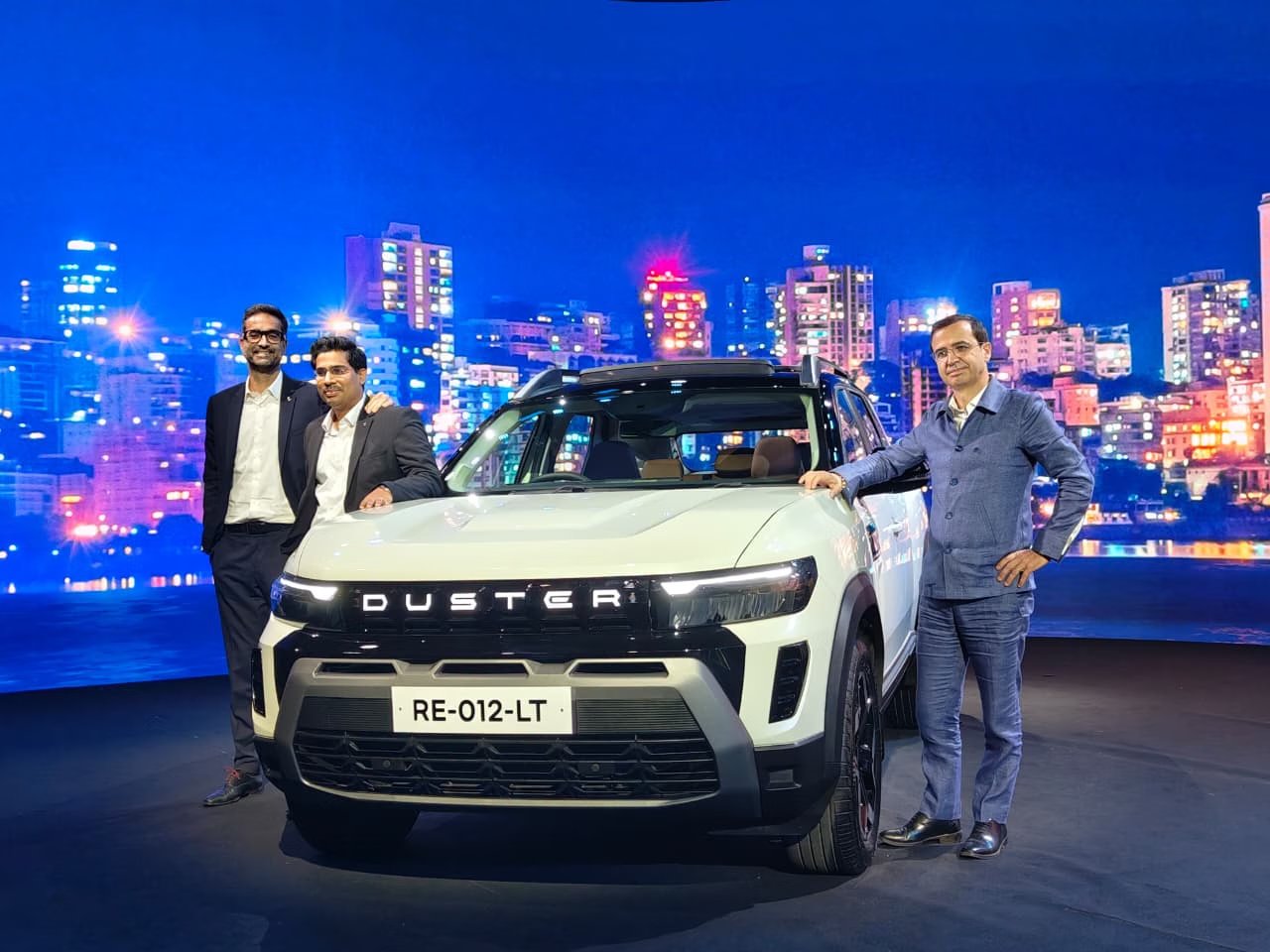
If you’ve been waiting for a midsize SUV that doesn’t require plugging into a wall socket but still delivers diesel-level frugality, this is it. The Renault Duster Strong Hybrid E-Tech 160 launches at an introductory price of Rs 16.99 lakh (ex-showroom), with deliveries kicking off November 6. For context, that price point undercuts the Maruti Suzuki Grand Vitara’s hybrid variants while offering a larger physical footprint and a more powerful combined system output of 160 PS. It’s a direct shot at buyers who find the 1.5L diesel options outdated but are hesitant about the learning curve of full EVs.
The powertrain is where things get interesting. Under the hood sits a 1.8-litre naturally aspirated petrol engine paired with a 1.4 kWh lithium-ion battery and two electric motors. The 49 hp traction motor handles the wheels, while a 20 hp starter-generator manages charging and engine support. The result is an ARAI-claimed 29 km/l—numbers that are hard to ignore when filling up at a pump. Unlike the CVT systems common in this segment, the Duster uses an eight-speed dedicated hybrid transmission with fixed gear ratios. This means the car operates in electric mode for up to 80% of city driving, shifting to petrol only when you need low-end torque or high-speed cruising. You won’t find a charge port, which simplifies ownership for those without home charging infrastructure.
Trim levels follow a logical progression. The base Evolution at Rs 16.99 lakh comes with 18-inch wheels, a 10.1-inch infotainment screen, and dual-zone climate control. Step up to the Techno at Rs 18.99 lakh, and you gain LED headlamps, a panoramic sunroof, and beige semi-leatherette seats. The top Emotion variant, priced at Rs 19.49 lakh, adds diamond-cut alloys, ventilated seats, and a powered tailgate. Notably, Renault is offering an optional 'Renault Protect' package starting at Rs 89,900, which bundles three years of insurance and maintenance—a move clearly aimed at easing the total cost of ownership for first-time hybrid buyers.
Why now? The timing is strategic. Duster sales have been sluggish, with dispatches dropping from 2,359 units in April to just 406 in August 2026. CEO Stéphane Deblaise admitted that the previous lineup only catered to about 20% of the market’s powertrain preferences. By introducing the hybrid, Renault aims to capture up to 90% of potential buyers, potentially boosting sales fourfold. The hybrid battery is covered by an eight-year or 160,000 km warranty, while the vehicle itself falls under the Renault Forever programme (up to seven years/150,000 km). With bookings open since October 9 for a token of Rs 21,000, the brand is betting big that efficiency is the new performance.
The competition is stiff. The Duster now faces the Maruti Suzuki Grand Vitara, Maruti Suzuki Victoris, and Toyota Urban Cruiser Hyryder, all of which have solidified their hybrid presence. However, the Duster’s larger dimensions and distinct design language offer a different proposition than the Japanese rivals. Watch closely for the non-introductory pricing after December 31, 2026, as that will determine the long-term value proposition. For now, if you want a big SUV that sips fuel without the range anxiety of an EV, the Duster Strong Hybrid is the one to test drive.