The daily grind of managing diabetes is undergoing a fundamental shift.
For decades, patients anchored their routines to painful finger-prick tests and scheduled clinic visits. That ritual is giving way to automated hardware. Continuous glucose monitors (CGMs), wearable insulin pumps, and integrated smartphone applications now give individuals immediate control over their metabolic data, allowing for rapid adjustments to meals, exercise, and medication.
Yet access remains deeply unequal. Recent research reveals stark disparities in who can actually secure and afford these digital tools, prompting clinical experts to demand direct policy intervention from regulatory authorities.
Modern diabetes management relies on continuous observation rather than isolated snapshots.
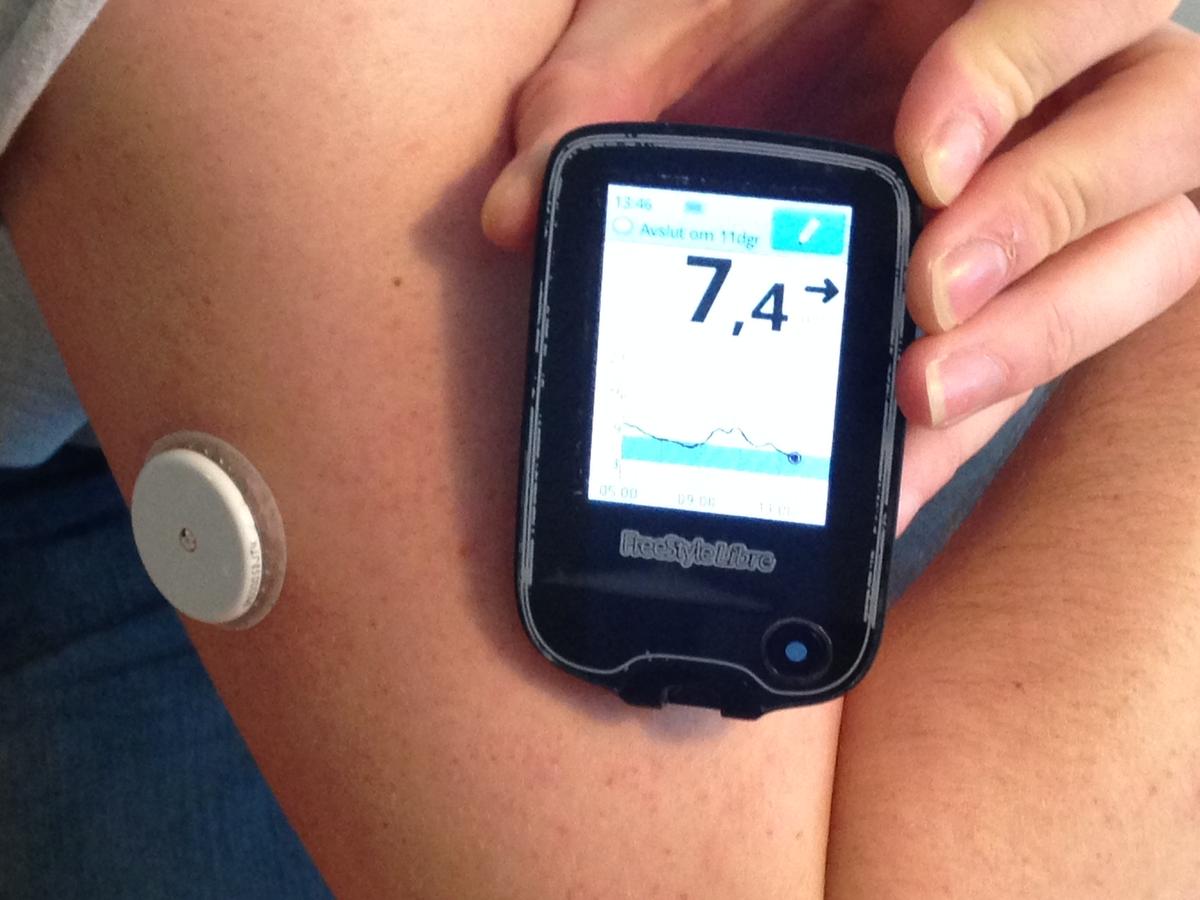
CGMs use a compact sensor attached directly to the patient's arm or abdomen. This sensor records glucose levels at regular intervals around the clock, producing a detailed record of fluctuations through daytime activity and sleep. Instead of guessing how a meal or a walk affects blood sugar hours later, users receive immediate feedback.
| Device Type | Mechanism of Action | Clinical Function |
|---|---|---|
| Continuous Glucose Monitors (CGMs) | Arm- or abdomen-mounted sensor | Measures glucose at set intervals day and night |
| Insulin Pumps | Wearable infusion apparatus | Delivers insulin continuously throughout the day |
| Automated Delivery Systems | Algorithmic pump-sensor pairing | Adjusts insulin dosage dynamically using CGM data |
| Integrated Mobile Apps | Centralized digital interface | Tracks glucose, medication, meals, and physical activity |
For patients requiring regular hormone therapy, insulin pumps dispense insulin continuously throughout the day. The most sophisticated setups—automated insulin delivery systems—marry the two devices. An onboard algorithm evaluates live CGM readings and immediately fine-tunes the pump's delivery rate without requiring manual intervention from the patient.
Technology alone cannot solve a public health hurdle if patients cannot buy it.
Experts emphasize that expanding adoption across broader demographics requires institutional backing. Regulators must step in to address device inequities, monitor market availability alongside surging demand for advanced metabolic therapies like GLP-1 treatments, and ensure product data remains clear and comparable across competing brands.
Patients considering a transition from conventional finger-stick kits to automated sensors or pump systems should consult an endocrinologist to assess device compatibility and personal insulin requirements.