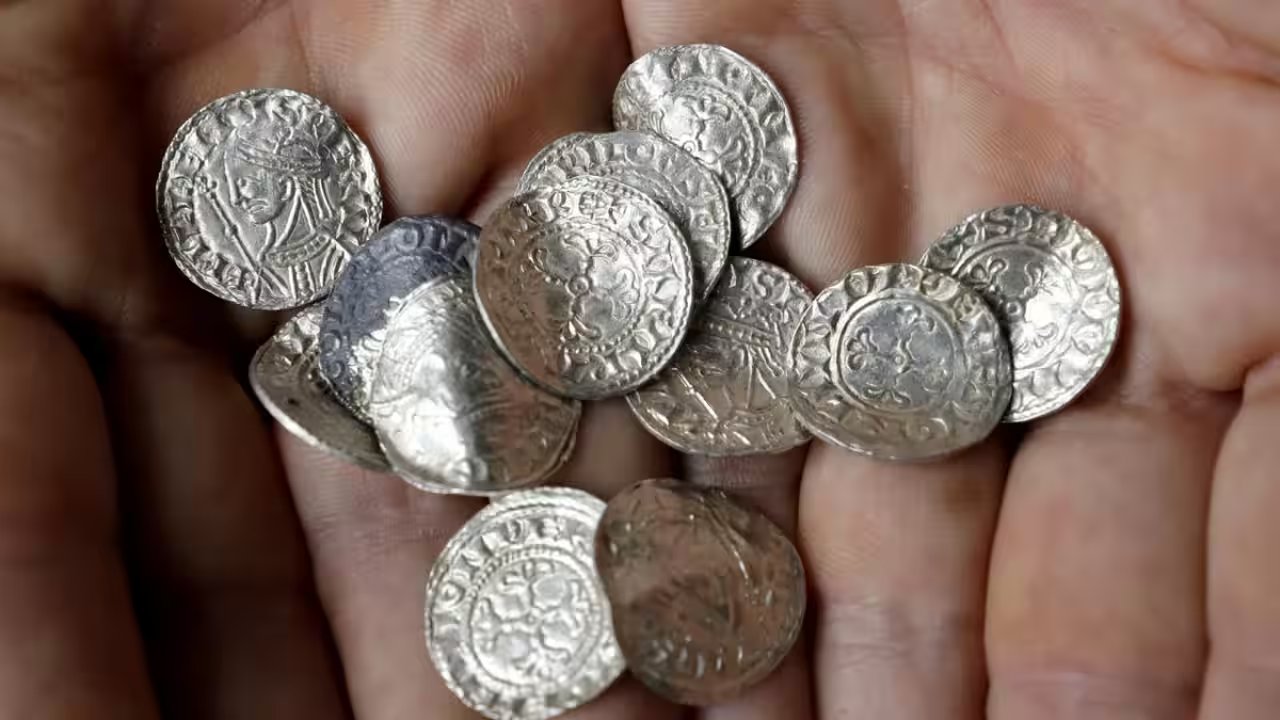
The South West Heritage Trust has secured the Chew Valley Hoard for the nation, paying £4,320,527 for 2,584 silver pennies dated to 1066–1068. This transaction breaks the previous record for the most valuable treasure discovery on British soil. The funding came primarily from a National Lottery Heritage grant, with additional support from the Art Fund and local charities. Under the Treasure Act 1996, the payout is split: half goes to the landowner, and the other half is divided among the seven metal detectorists who unearthed the coins in January 2019.
The discovery happened on a muddy day in the Chew Valley. Adam Staples, one of the seven finders, was training friends when their detectors picked up strong signals near the surface. By the end of the day, they had pulled more than 2,400 coins from the dirt. "It's like winning the lottery but then you can't cash the ticket for five years," Staples said. The delay was caused by the formal valuation process and the pandemic. "I've bought a house and can now live mortgage-free," he added, noting the frustration of the five-year silence before the payment finally landed.
The coins offer a rare physical snapshot of the chaos following the Battle of Hastings. The hoard includes 1,343 pennies from King William I’s reign and 1,240 from King Harold II, the last Anglo-Saxon monarch. Amal Khreisheh, curator of archaeology at the South West Heritage Trust, explained that the coins were likely buried for safekeeping around 1067 or 1068. "We think that against that backdrop of rebellions in the South West, the coins were buried," Khreisheh said. The collection also features rare "mule" coins, which show the face of one king but the reverse design of an earlier ruler, providing evidence of the transitional minting practices as the Normans consolidated power.
The public will soon get a look at the history. The hoard opens at the British Museum in London on November 26. After its London run, it will travel to Bath and other regional locations before settling permanently at the Museum of Somerset in Taunton. Sam Astill, Chief Executive of the South West Heritage Trust, called the acquisition a symbol of a pivotal moment in English history. The coins will now serve as a tangible link to the transition from Saxon to Norman rule, displayed for generations to come.