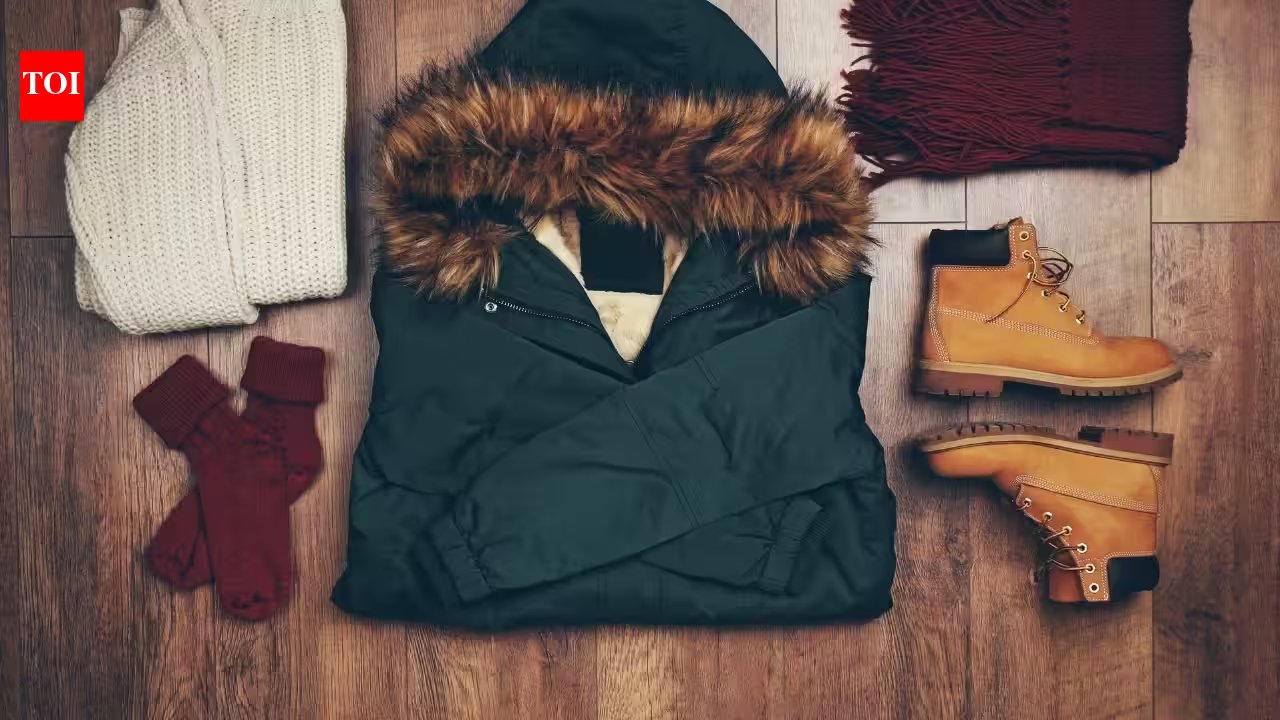
Dressing for bitter winter weather is rarely about piling on raw bulk. You pull on a heavy jacket, wrap a thick scarf, and step onto the street—only to start shivering within seconds. More fabric does not guarantee warmth. Cold air finds every microscopic gap when your clothing strategy works against human biology.
The breakdown starts right against your skin. That soft cotton undershirt feels gentle, but it ruins your body heat. Cotton drinks perspiration like a sponge and clings damply for hours. Once moisture sits against your chest, it saps heat away from your core fast. Swap the cotton out. Put on wool thermals or dedicated moisture-wicking base layers instead. They pull sweat away from your pores, dry quickly, and keep you bone-dry.
Squeezing into three tight garments backfires instantly. Tight sweaters compress your body. They restrict blood flow. Worst of all, they squeeze out the thin pocket of dead air that actually traps your radiated body heat. Proper warmth requires cushion room. When you pick mid-layers, choose looser wool or fleece garments that drape comfortably, allowing you to walk and stretch without feeling mummified.
| Wardrobe Mistake | Thermal Consequence | Correct Winter Fix |
|---|---|---|
| Cotton Base Layer | Retains sweat, stays damp, chills core | Moisture-wicking thermal wear or pure wool |
| Skin-Tight Sweaters | Squeezes out dead air, restricts movement | Looser, breathable insulating layers |
| Bare Ears and Neck | Exposes bare skin to biting crosswinds | Woollen caps, mufflers, and scarves |
| Damp Footwear & Socks | Accelerates foot chill throughout the day | Bone-dry wool or thermal insulating socks |
| Thin-Soled Sneakers | Conducts ground freeze into feet | Insulated boots with thick, elevated outsoles |
Yet many commuters bundle their torso while leaving their neck and ears completely bare. Cold gusts slice right past an open collar. Your neck and ears register freezing temperatures immediately, signaling your brain to contract blood vessels. The remedy takes two seconds. Pull on a knit woollen cap, tuck a muffler securely across your chest, and close the draft before you step out the door.
Never pull on socks fresh from a damp laundry drying rack. Socks carrying even marginal residual moisture ruin your entire day. Water conducts heat out of your toes rapidly, leaving your feet numb by noon. Ensure your socks are bone-dry before slipping them on, and favor insulating wool blends over basic synthetics.
Fashion sneakers are equally dangerous on frozen pavements. Thin rubber soles place your feet in near-direct contact with freezing asphalt. The cold ground bleeds through the sole within minutes, no matter how warm your sweater is. Switch to boots or winter shoes built with thick, dense treads and insulated linings. Pack your thin-soled canvas sneakers away until spring arrives.