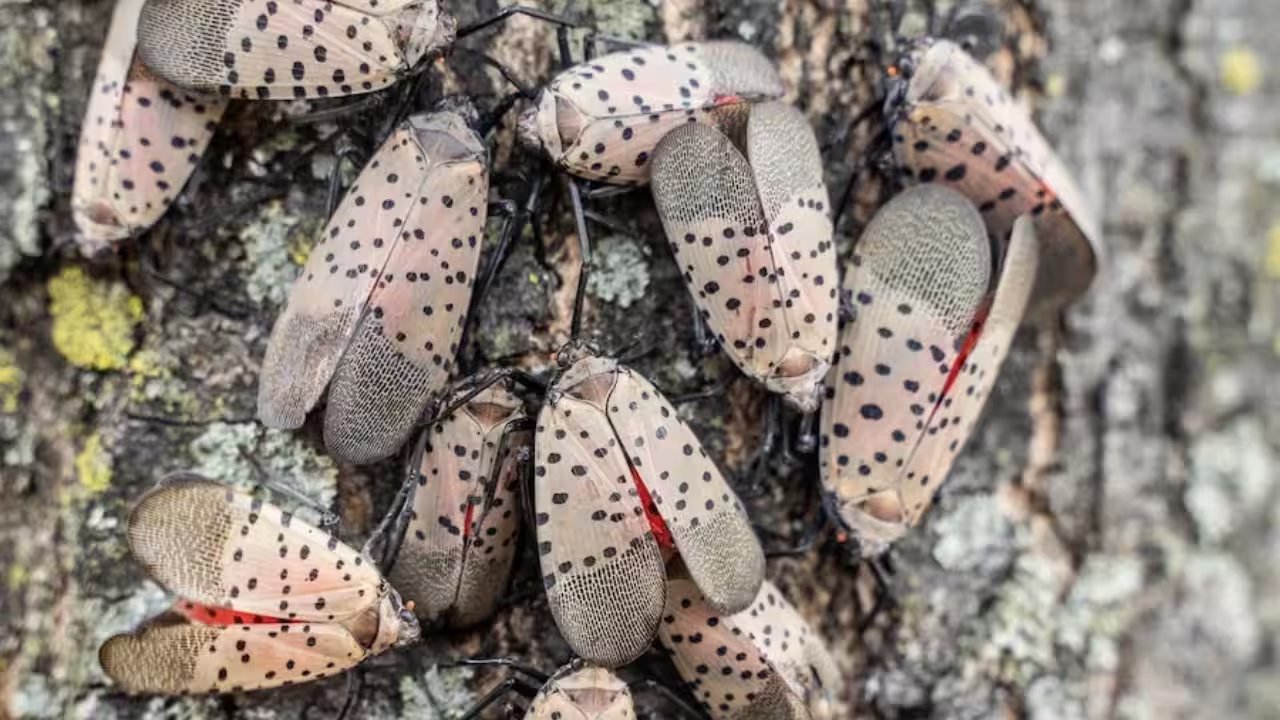
Heather Keyes can’t park her car. She can’t sit on her patio. She can’t even walk through her backyard without stepping on dead insects or wiping sap off her clothes. The culprit isn’t a storm or a broken pipe. It’s a single tree of heaven rooted in the yard next door.
The infestation of spotted lanternflies has turned Keyes’ property into a no-go zone. The bugs don’t respect the fence line. They migrate from the host tree in the neighboring yard, land on Keyes’ vehicles and trash cans, and leave behind a sticky, honey-like residue that ruins outdoor furniture. Keyes told 13 Action News she has killed hundreds of the insects by hand over the past year, but the population keeps rebounding.
"I try to disturb their area, so maybe they'll go somewhere else, but they don't. They go right back to the tree," Keyes said. The tree was the size of a weed when she moved in seven years ago. Now it’s a mature host plant for an invasive species that threatens local agriculture and ecosystems. Her landlord has trimmed the branches reaching her side of the property, but the source remains untouched.
County records show the neighboring property has been owned by Mercer Holdings 1 LLC since February. A related entity, Mercer Maintenance LLC, shares the same address on Upton Avenue and advertises tree trimming services for rental properties. The maintenance director for the company confirmed he is aware of the dispute. He told the station that Keyes is legally permitted to trim the portion of the tree extending onto her own property, but he did not say the company would remove the tree itself.
Keyes says she has tried almost everything. She has reached out to the property owner, her own landlord, and local authorities. The core issue remains: the tree is on someone else’s land, and without its removal or professional treatment, the lanternflies will keep returning. A resolution is unlikely unless the property owner takes decisive action to eliminate the host plant.