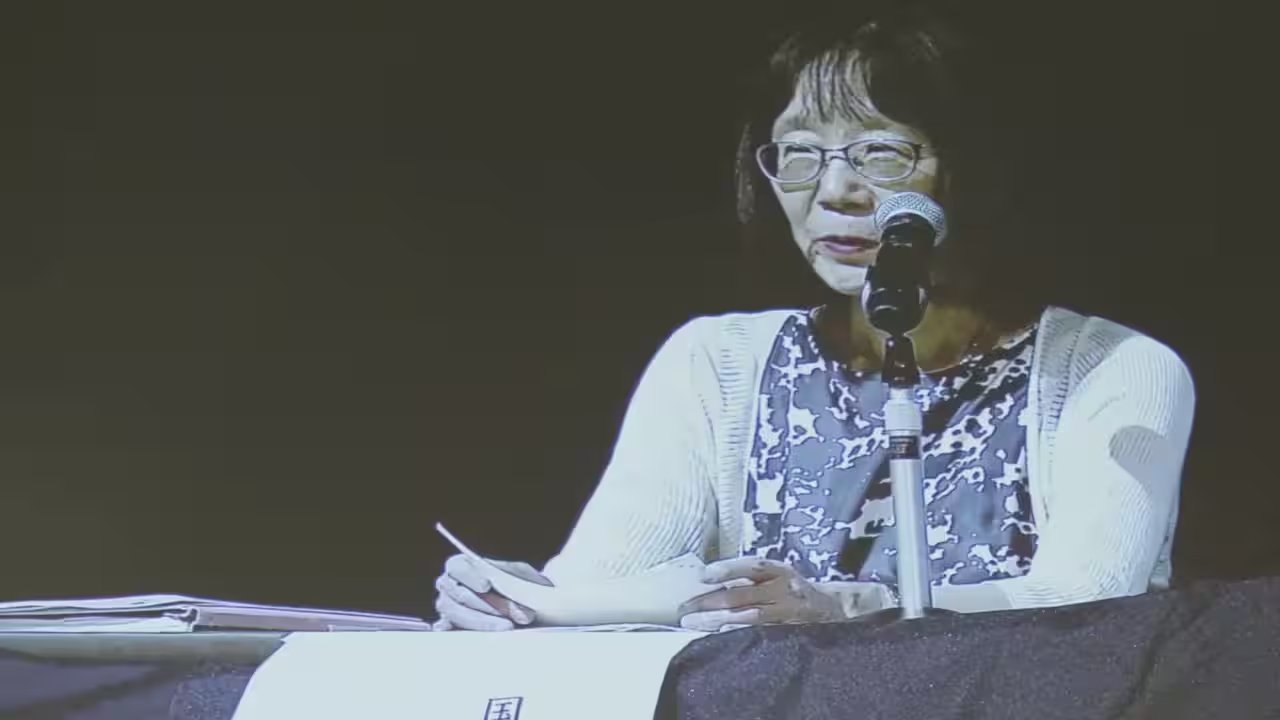
On May 24, 2024, Tokyo's deputy chief cabinet secretary Masanao Ozaki delivered a formal protest to the Russian embassy, condemning Moscow's extradition request for ICC President Tomoko Akane. The request, submitted by the Prosecutor General's Office, seeks to hand Akane over to Russian authorities after she was named in a warrant for President Vladimir Putin. Ozaki called the move "unacceptable" and warned it violated international law.
Russia issued arrest warrants for Akane and eight other ICC staff last year, following the court's 2023 order to arrest President Putin over the Ukraine war. The Moscow City Court sentenced all nine in absentia to prison terms, a move the Netherlands and other countries have rejected. The extradition request follows Moscow's claim that the ICC oversteps its mandate, a narrative that has been dismissed by international legal experts.
Japan's protest comes amid a broader deterioration of ties with Russia, sparked by Putin's March 2024 visit to the disputed Kuril Islands. The archipelago, seized by the Soviet Union at the end of World War II, remains a flashpoint preventing a peace treaty. Meanwhile, Washington has imposed sanctions on ICC officials, freezing assets and barring entry, further complicating the diplomatic landscape.
Tokyo has signaled it may file additional formal protests and could pursue diplomatic channels, while Moscow has said it will continue to pursue the extradition. The next development will be the Dutch authorities' response to Russia's request, which could set a precedent for international courts.