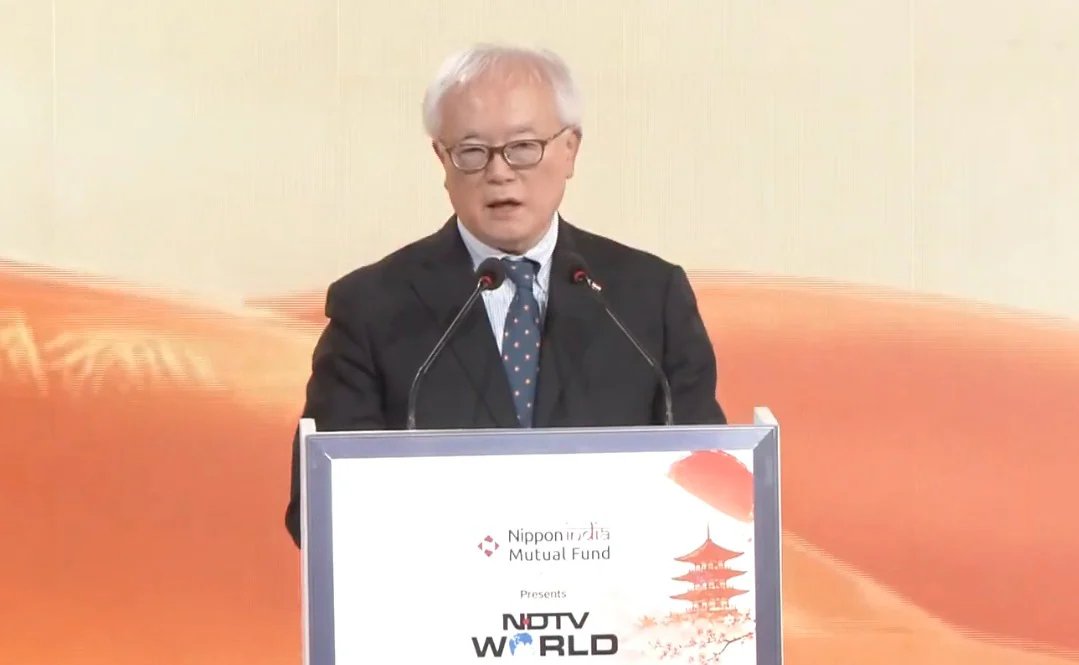
Taniguchi, a former special adviser to Japan’s late Prime Minister Shinzo Abe, cited Abe’s 2007 address to the Indian Parliament, in which he called the Indian and Pacific oceans “seas of freedom and prosperity.” He said Abe envisioned a network of partner nations to counter China’s expanding military reach. The former adviser recalled that Abe sought to broaden Japan’s strategic space by forging closer ties with democracies, particularly India. He emphasized that India’s youthful population, democratic institutions and rapid technological growth made it a natural partner.
Sanjay Kumar Verma, former Indian ambassador to Japan, explained that India’s Act East policy gradually expanded to the SAGAR initiative, which added security and economic dimensions. In 2023 India launched the Indo‑Pacific Ocean Initiative (IPOI) to address trade, technology, connectivity and environmental concerns, and Prime Minister Narendra Modi later introduced the MAHASAGAR vision to weave stronger regional links.
The summit also tackled the Quad’s future beyond safeguarding sea lanes. Verma argued the grouping should address trade disruptions and supply‑chain bottlenecks, especially for critical minerals used in electronics and batteries. He warned that a secure flow of goods is essential for both India’s and Japan’s industries, citing a Gujarat textile firm that depends on uninterrupted shipping through the Strait of Hormuz.
Taniguchi warned that China’s ambitions over Taiwan could squeeze Japan’s strategic space, and that the next decade would test Japan’s resilience. He urged a united, collective action to uphold international rules‑based order and to decide on responses when violations persist.
Both sides agreed to formalize a joint statement outlining a roadmap for deeper cooperation in trade, security, and technology. The statement is expected to be released in early April, setting the stage for a series of bilateral meetings throughout 2026.