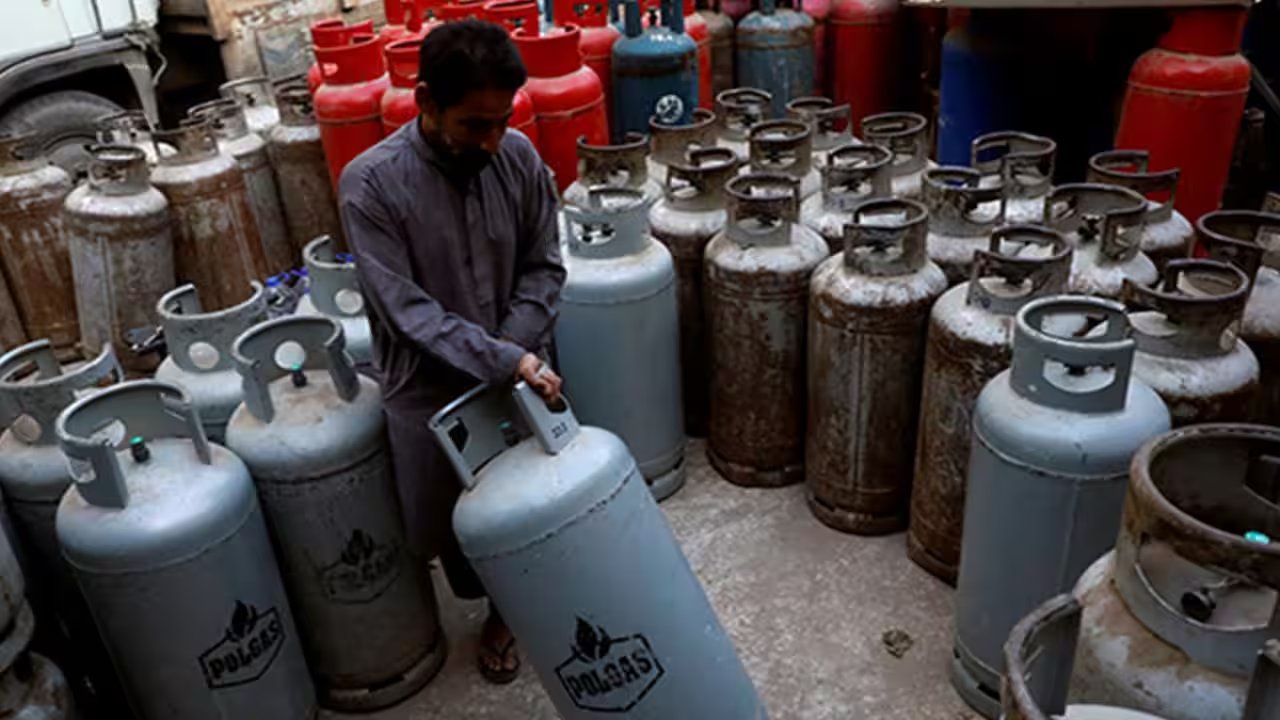
Pakistan’s regulators announced that LPG prices in Balochistan’s remote districts had climbed to PKR 7,000 per 12‑kg cylinder on October 21, 2026, a sharp jump from the PKR 4,500 level recorded just a month earlier. The surge followed the sudden closure of the Gabd‑Rimdan and Taftan crossings with Iran, which halted daily imports of roughly 7,000 tonnes of LPG that the country has been reliant on.
Reuters reported on October 23 that the closures were cited by Pakistani officials as a security and anti‑smuggling measure, while Iranian authorities blamed technical issues at the border. Both sides are reportedly negotiating to reopen the crossings, but the delay has left many tankers stranded and the domestic market scrambling.
The price shock is part of a larger decline in Pakistan’s natural‑gas output, which fell from 3,597 million cubic feet per day in FY2020 to 2,890 million in FY2025, PIDE data shows. Coupled with a debt of ₹trillions in the gas sector, the government’s reliance on expensive imported LNG has become unsustainable. Analysts say the lack of new discoveries and payment delays have stifled investment in upstream projects.
Households that previously relied on piped gas now face only six hours of supply per day, and with LPG soaring to PKR 600 per kg, many are turning to wood and coal for cooking. A cabinet meeting set for November 5 aims to decide on emergency fuel imports and to renegotiate LNG contracts that have locked the country into long‑term supply agreements.
The situation underscores a severe energy crunch that could spill over into broader economic instability if the government fails to secure reliable fuel supplies before the winter season.