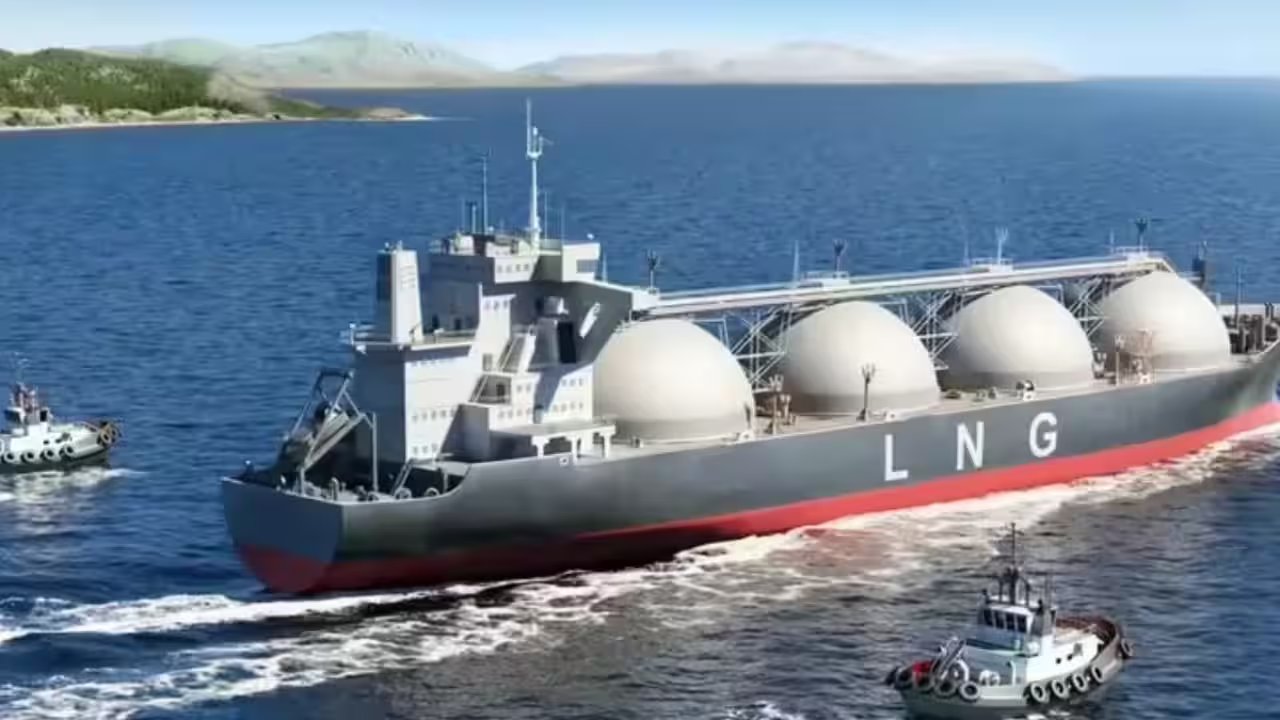
Jefferies analysts said global LNG prices surged 6% week‑on‑week, hitting $32 per million British thermal units (mmBtu) on May 28, 2026—an increase that echoes the tightening supply curve.
Europe’s gas storage levels sit at 75% of capacity, down from 83% during the same period last year, raising alarms as the continent heads into winter. Lower inventories mean fewer buffer stocks, and the price spike could ripple across the global market.
Freight rates for crude oil remain almost eight times higher than pre‑conflict levels, despite a 3% week‑on‑week decline. The physical crude premium has risen 8% to $9 per barrel, and ship‑to‑ship transfers keep oil on tankers longer, pushing costs up.
Russian crude discounts have narrowed sharply: the Urals now trade at a $2 per barrel discount to Brent, down from $14 in February, while Dubai crude’s discount has widened sixfold to $4 per barrel. Indian oil marketing companies (OMCs) face losses of Rs25–37 per litre on petrol and diesel, mirroring the higher procurement costs.
The Jefferies report warns that the combination of high freight, tightening Russian supplies, and low European inventories will keep LNG prices elevated through the winter. There are no immediate signs of price relief until global supply chains normalize.