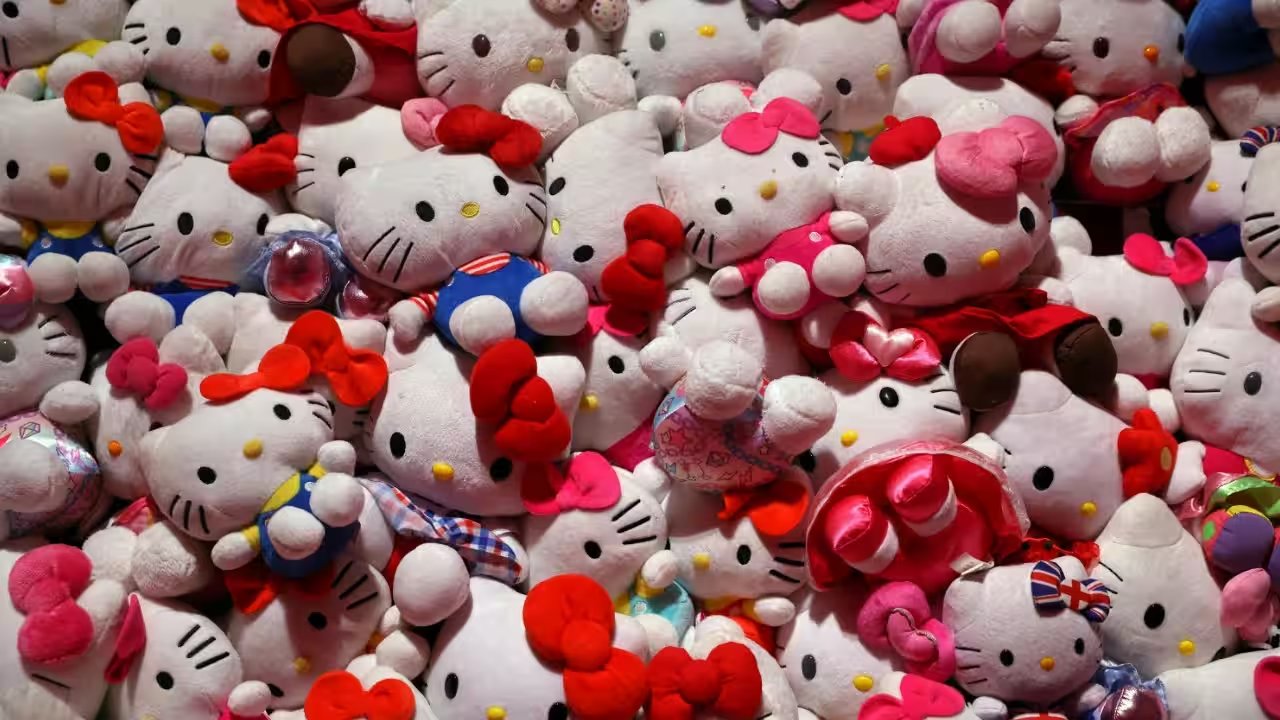
The partnership had turned Hello Kitty into a spy character, but the drama's storyline depicting Chinese agents torturing Japanese spies sparked outrage. Chinese state media and users on Weibo called the collaboration offensive, accusing it of defaming the nation. The backlash prompted Sanrio China to pull the line and cancel all promotional activities.
TBS, the Japanese broadcaster behind the series, says the drama is entirely fictional and not intended to disparage any country. President Masamine Ryuho dismissed the criticism as a misinterpretation of creative content. The drama, streaming on Netflix, follows a terrorist organization called Tent and features a fictional Chinese intelligence agency.
The episode comes amid heightened tension between Beijing and Tokyo after Japanese Prime Minister Sanae Takaichi suggested a potential Chinese attack could trigger a military response. China has responded by limiting rare‑earth exports and discouraging travel to Japan. These diplomatic frictions have spilled into the marketplace, forcing foreign brands to tread carefully.
Sanrio's Q1 sales in China hit 9.8 billion yen, up 25% from a year earlier, underscoring the market's importance. Yet the company remains vulnerable to cultural missteps, as seen in past controversies involving Dolce & Gabbana and apparel giants. The Hello Kitty incident is the latest reminder that brand partnerships can backfire in China.
The decision means Sanrio will cease all VIVANT‑branded promotions in China, effectively removing the toy line from local retail outlets. Analysts warn that this move could prompt authorities to scrutinize other foreign collaborations more closely. Sanrio has not yet announced plans to re‑enter the market with a revised strategy.