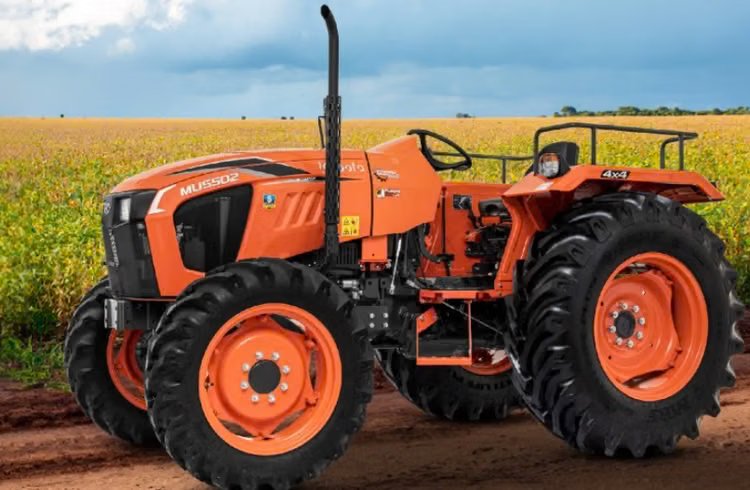
The price increase will hit every Kubota, Farmtrac and Powertrac model starting November 2026—no matter the variant or region. Farmers who have relied on these machines for years will notice the change when they walk into a dealership.
The driver behind the hike is a steady climb in raw‑material costs, higher energy bills, freight charges, and the ripple effects of global supply‑chain shocks. Escorts Kubota has been tightening its operations, slashing waste and negotiating better terms, but the input‑price surge is still too steep to ignore.
Manish Sharma, President – Agri Business, said the company absorbed a large chunk of the cost jump before passing the rest on to customers. "We have tried to shield buyers as much as possible," he told a press briefing, adding that the adjustment aims to keep the burden light.
In the wider market, Mahindra’s Thar and Hummingbird tractors, as well as John Deere’s 5 T and 6 T variants, are moving in similar price bands. A 5–10% bump across all brands could squeeze the margin on small‑holder purchases, pushing buyers to look for financing or government subsidies.
Alongside the price shift, Escorts Kubota has been adding new dealerships across the country. The expanded network means that even after the hike, service and spare‑part availability should stay robust in key hubs like Delhi, Mumbai and Bangalore.
The revised prices will take effect from the first week of November 2026, with a phased rollout that starts in major urban centers before reaching smaller towns. Buyers should keep an eye on dealer catalogs next month and watch for any changes to subsidy rules that might offset the added cost.
With the price adjustment set, the next big thing on the horizon is the launch of the Digitrac 2.0 series, which promises advanced connectivity and a cleaner engine. Those looking to upgrade will have to weigh the new price against the fresh tech offering.
In short, the price hike is a reality that farmers must brace for, but Escorts Kubota’s absorption policy and dealer expansion aim to keep the transition smoother than it could have been.
Stay tuned for the official launch calendar this September and for any policy shifts that could cushion the blow for the agriculture sector.