Love collapses when possession enters the door. Constant check-ins feel like devotion at first. Then the questions turn sharp: Why did you take so long to reply? Who was on that call? Why do you need an evening alone? In an instant, affection curdles into surveillance.
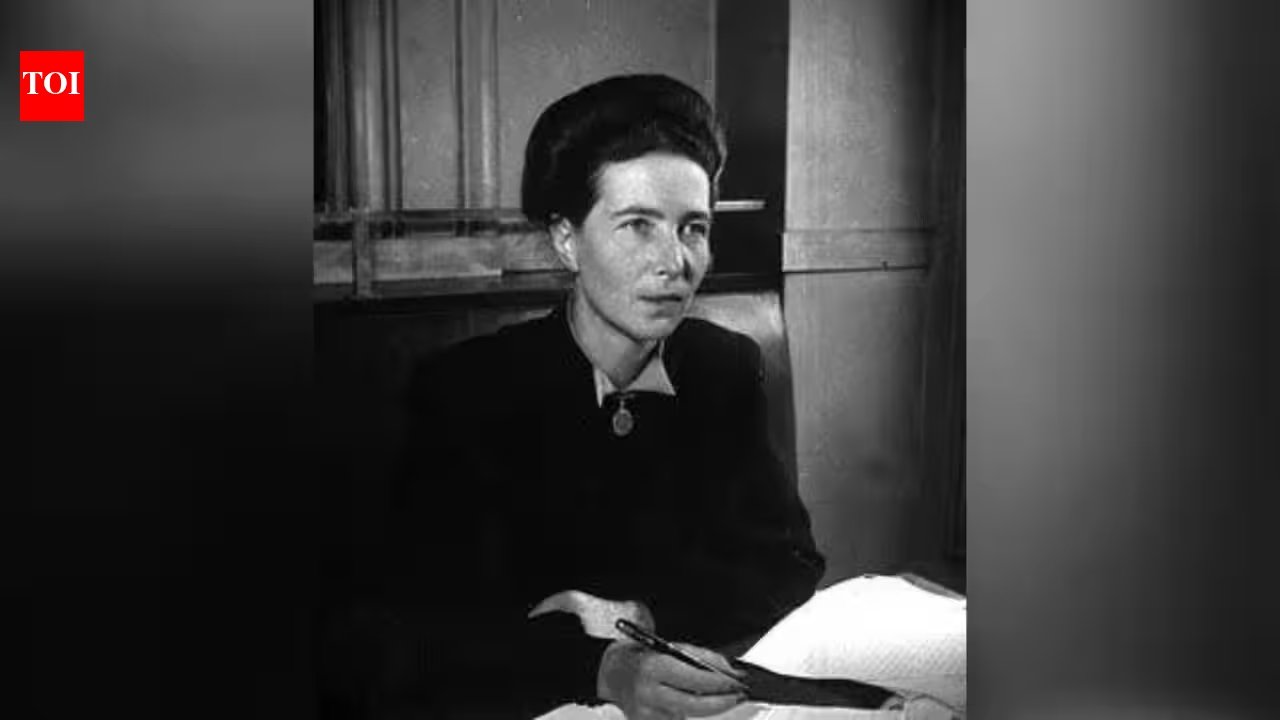
French philosopher Simone de Beauvoir diagnosed this trap decades ago. In her 1947 philosophical work, The Ethics of Ambiguity, she laid down a radical rule: "Love is then renunciation of all possession, of all confusion." Her text was not an argument against deep commitment. Instead, it was an appeal to see a partner as an independent human being—someone with private ambitions, distinct fears, and sovereign choices—rather than an emotional extension of oneself. You do not own your partner's time, identity, or thoughts.
But jealousy rarely stems from excess passion. It feeds on fear. When fear of abandonment takes over, people lean on tracking and relentless questioning to engineer artificial emotional security. It never works. Monitoring a partner simply breeds exhaustion on both sides. Real emotional balance requires identifying the root insecurity instead: Is past betrayal distorting your judgment? Have expectations remained unspoken? Direct conversations resolve these anxieties far faster than restrictions ever will.
Closeness does not demand sameness. One partner recharges through solitary reading; the other seeks crowded dinner tables. One craves travel; the other wants a quiet weekend at home. These differences do not signal a broken bond—they signal two distinct adults choosing to share a life.
So start practicing tactical freedom. Grant your partner personal space without treating silence as distance. Ask for reassurance instead of issuing demands. Negotiate clear boundaries without laying down ultimatums, and remember that accountability is not the enemy of independence. Beauvoir did not ask lovers to abandon shared standards. She asked them to stop treating personal liberty as a threat.