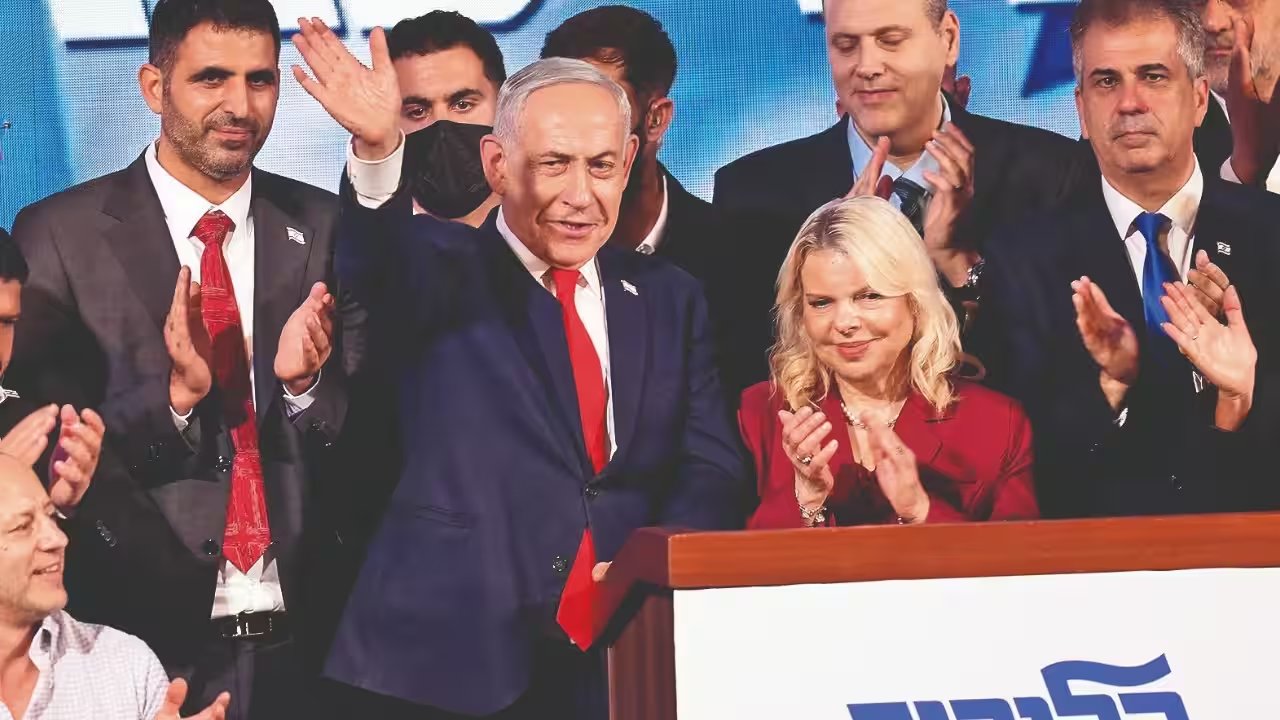
The opposition bloc in Israel is moving to amend the country's Basic Law: The Government, a move that could fundamentally alter how the prime minister is selected. The plan, reported by The Times of Israel, allows voters to elect the PM directly, potentially enabling a candidate to form a minority cabinet without securing a majority in the 120-member Knesset. This is a high-stakes gamble. It mirrors Netanyahu’s own failed attempt to pass a similar bill after the March 2021 election, when coalition talks collapsed. But there is a catch. The amendment requires 61 votes. With the opposition holding 67 seats and the pro-Netanyahu bloc holding 53, the math is tight but possible, provided the opposition doesn’t fracture.
The political arithmetic is messy. The opposition’s 67 seats include 48 from Zionist parties and 19 from Arab non-Zionist parties. Jewish opposition leaders have historically hesitated to rely on Arab votes, creating a tension that is now boiling over. This isn’t just about parliament; it’s about the street. The 'Standing Together' group has organized rallies for Saturday at 7:30 pm in Tel Aviv’s Habima Square, Jerusalem’s Paris Square, Beersheba, Haifa, and Tayibe. They are demanding that opposition leaders recognize the electoral victory and form a government based on Jewish-Arab cooperation.
"Arab votes are worth exactly as much as Jewish votes," the organizers stated, urging leaders to turn this partnership into a political force. They argue that abandoning this alliance now would be a betrayal of the voters who pushed for change. The pressure is mounting. President Isaac Herzog is set to receive the final official election results on November 4, after checks for errors. The newly elected Knesset is scheduled to be sworn in on November 10. If the direct election bill fails, the opposition faces a stark choice: form a minority government or risk another election.