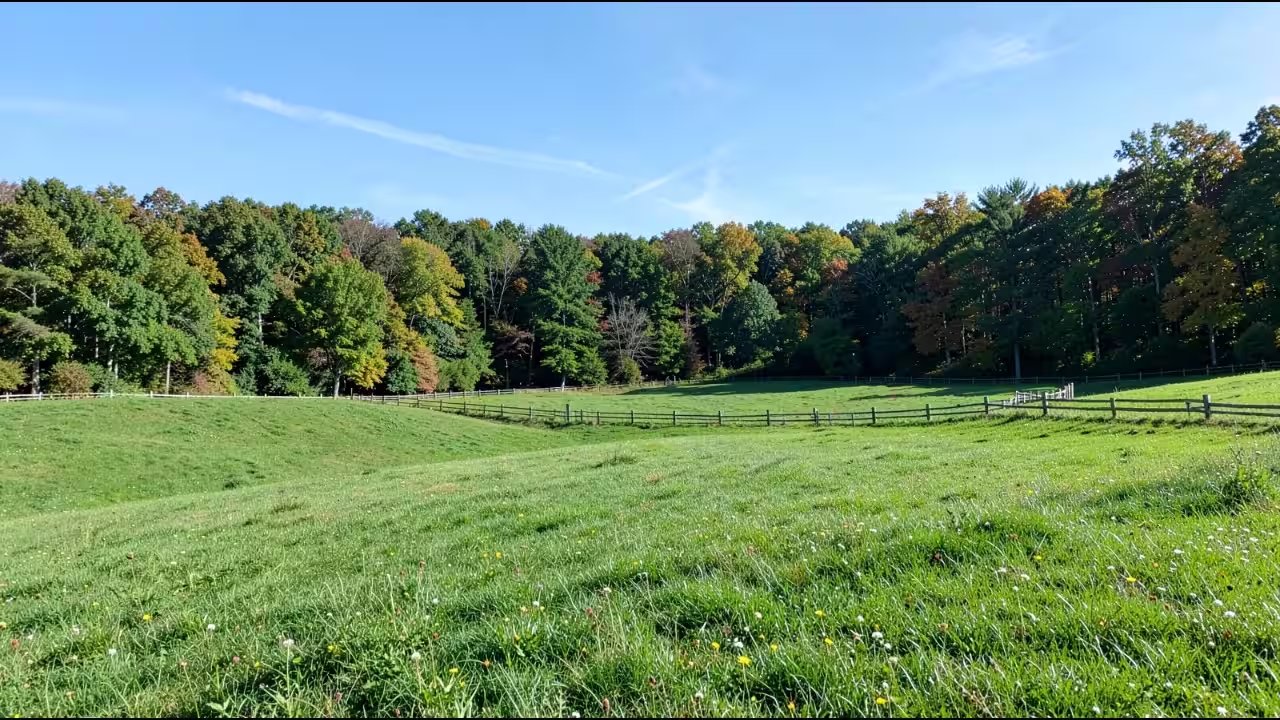
The July 21 decision overturned a 2007 ruling that had allowed the Pennsylvania Game Commission to enter private land without consent, warrant or probable cause. Punxsutawney Hunting Club, owning 4,400 acres, and Pitch Pine Hunting Club, with 1,100 acres, had posted no‑trespassing signs, fenced sections and marked boundaries with purple paint – measures that the clubs said proved a reasonable expectation of privacy. Game wardens entered the clubs’ property 15 to 22 times between 2013 and 2025, placing a trail camera on Punxsutawney land for 78 days in one case.
The open‑fields doctrine, first articulated in Hester v. United States (1924) and reaffirmed in Oliver v. United States (1984), holds that undeveloped land beyond a home’s immediate surroundings receives no Fourth Amendment protection. Pennsylvania’s 2007 Supreme Court decision in Commonwealth v. Russo adopted that doctrine, allowing warrantless entry during wildlife investigations.
Justice Kevin Brobson, writing for the unanimous court, held that Article I, Section 8 of the state constitution grants broader privacy protection than the federal Fourth Amendment. The majority struck down Sections 303(c) and 901(a)(2) of the Game and Wildlife Code, which had enabled officers to enter private property without a warrant or other safeguard. Section 901(a)(8) – dealing with administrative inspections – was left untouched because it does not permit entry onto posted or unposted land.
The ruling narrows the scope of game‑warden authority, requiring a warrant or an exception for any private land that is clearly marked and fenced. The decision does not automatically protect every undeveloped parcel, only those where owners have taken steps to exclude intruders, and it signals that the Game Commission must revise its enforcement protocols and possibly amend the code to comply with the new constitutional standard.