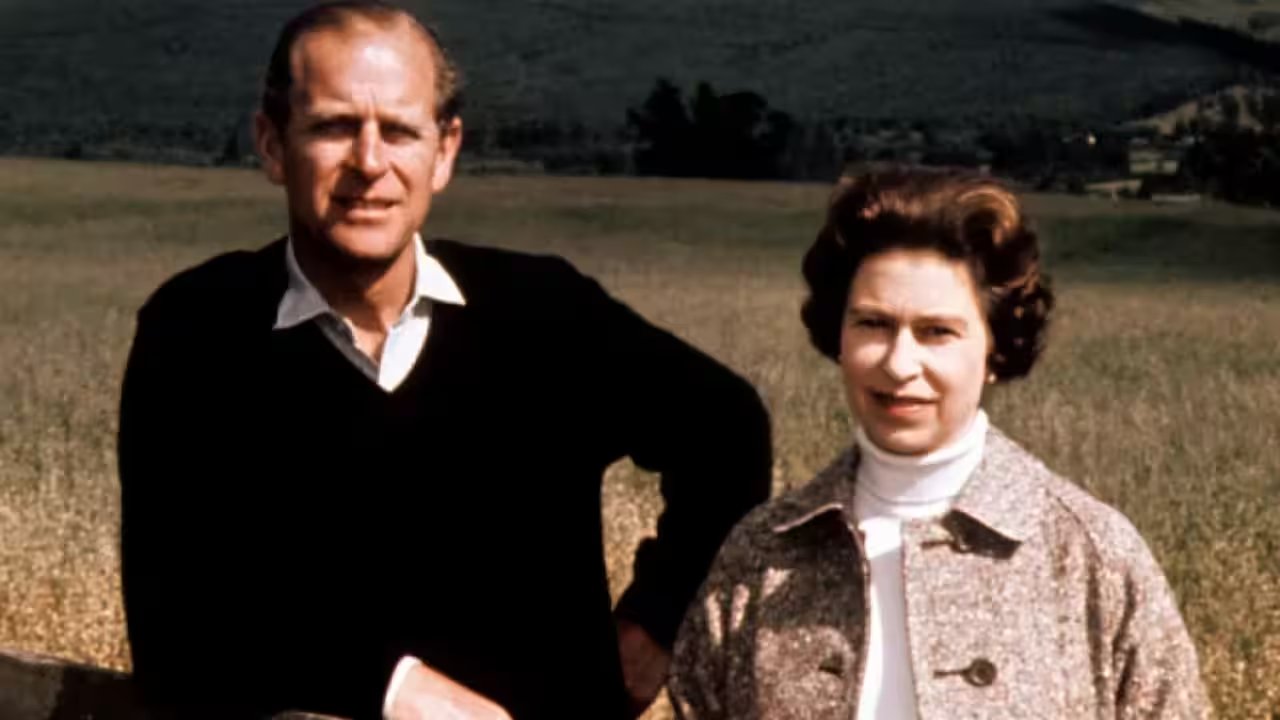
The estate’s current 5,000‑tree annual planting, the 10 wetlands created last month, and 100 miles of field margins were all introduced by Prince Philip and are now being maintained under King Charles III’s stewardship. The Royal Household confirms that the latest wetland addition was designed to support nesting birds, amphibians and insects, and that the planting schedule is synchronized with crop cycles to avoid disruption.
The initiative balances agriculture and conservation, allowing agricultural land to serve dual purposes: food production and wildlife habitat. Field margins and hedgerows provide shelter and food for ground‑nesting birds and pollinators, while the wetlands offer breeding grounds for amphibians and waterfowl.
Waste management is integrated into the estate’s operations, with food, glass, metal, plastic, cardboard and paper being recycled. The Royal Household says these measures reduce the estate’s ecological footprint and support long‑term land stewardship.
Looking ahead, the estate plans to extend its wetland network by an additional 5 hectares before year‑end, with a review of biodiversity outcomes scheduled for December. The next phase will involve monitoring bird and amphibian populations to gauge the impact of the new habitats.
The continued conservation efforts at Sandringham demonstrate how a historic royal property can adapt modern environmental practices while preserving its agricultural heritage.