The SEAS initiative, conceived by Robert Vasiluth of SAVE Environmental, uses live clams as natural seed carriers. A consortium led by the Connecticut National Estuarine Research Reserve—comprising Save the Sound, Connecticut College, Remote Ecologist, the University of Connecticut, Cornell Cooperative Extension, and Stony Brook University—coordinated the effort.
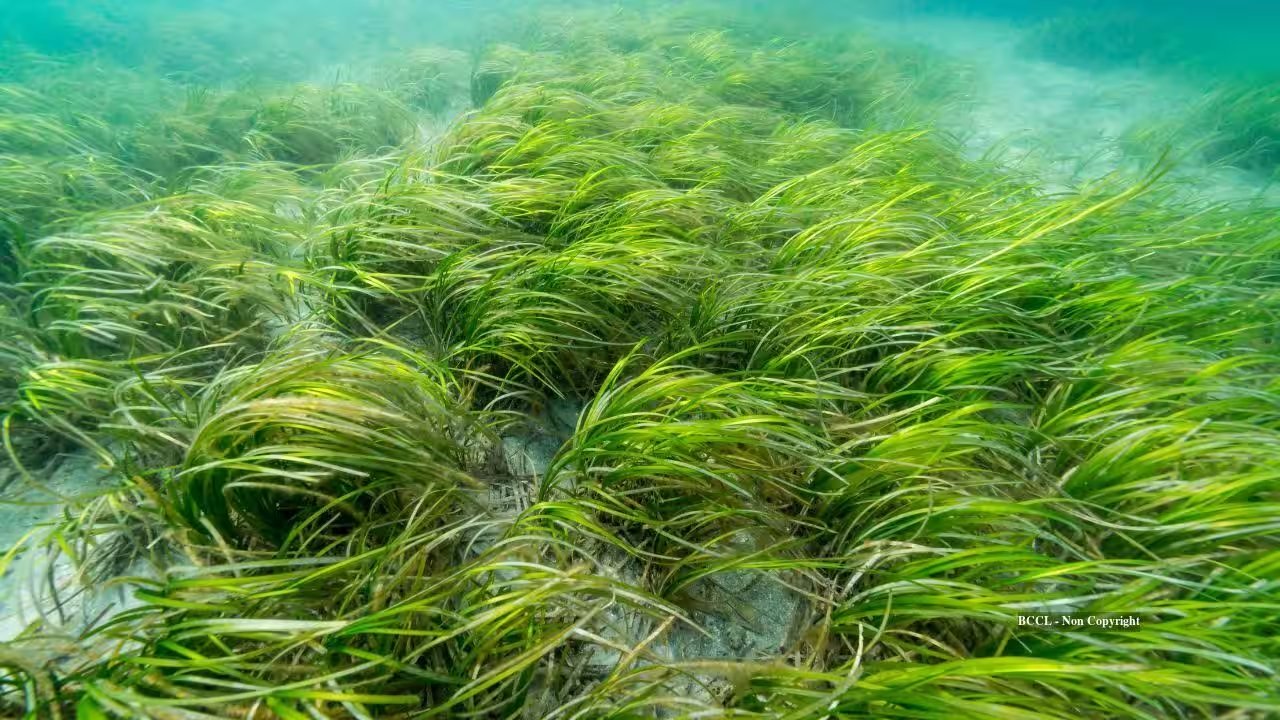
In fall 2025, volunteers glued 30,000 eelgrass seeds to clams and released them into four experimental plots off Duck Island, Westbrook. Drone imagery collected in 2026 captured a 178 % surge in eelgrass meadow coverage, the most dramatic increase recorded in the Sound’s recent restoration history.
Eelgrass meadows once spanned more than 90 % of Long Island Sound since the 1980s, providing nursery habitat for fish, filtering nutrients, and stabilizing shorelines. Their disappearance has weakened coastal resilience, making recovery a priority for regional conservation.
The team refined the attachment technique, swapping coral glue for a wet rice‑paper seal that Maria Rosa of Connecticut College found boosts germination rates by keeping seeds moist during transport.
Bill Lucey, Save the Sound’s Long Island Soundkeeper, says the method shows promise but will only be deemed fully successful after a three‑year survival test. If the program scales, the consortium plans to release up to 300,000 seed‑carrying clams next season.