For someone eyeing a reliable pickup or a work‑van, Isuzu’s numbers at the Sri City plant say a lot. 20,312 commercial vehicles shipped out in FY24-25, a full 24% rise from last year, shows the plant’s output is steady and the demand from overseas markets is strong.
The Sri City facility, which opened in April 2016, churns out the D‑MAX pickup, the S‑CAB van and, on a smaller scale, the mu‑X SUV. 100,000 vehicles built in India so far, plus over 100,000 engines exported, illustrates that the plant is not just a domestic generator but a hub for regional supply chains.
When you compare Isuzu to rivals like Tata D‑8 or Mahindra Thar, the key difference is the export footprint. 20,312 vehicles shipped to 12 countries, including Saudi Arabia, Bahrain, Qatar and Nepal, places Isuzu as India’s largest commercial‑vehicle exporter for the fiscal year. That breadth of reach can translate into better spare‑part availability and after‑sales support for Indian customers.
The workforce itself is a story. 1,300 employees, with 28% women on the line, and 82% local hires, show a plant that’s tuned to Indian labor strengths. The company’s use of AI‑driven training for diploma engineers means the gearboxes and drivetrains are built to high precision—something buyers can feel in the driving experience.
Phase II upgrades in 2019–20 added a press shop and an engine assembly plant, expanding capacity and allowing Isuzu to roll out more variants. 2024‑25’s export spike means the plant is operating near full tilt, giving the brand a cushion against supply disruptions.
Looking ahead, Isuzu plans to push exports further while deepening its domestic presence. For buyers, keep an eye on the upcoming model tweaks and the brand’s after‑sales network, especially in the Gulf Cooperation Council markets where demand for rugged, low‑maintenance pickups remains high.
The Sri City plant will continue to be the launchpad for Isuzu’s commercial lineup in India, with new variants likely to appear in 2025. The next step for buyers is to gauge how the brand’s export success translates into local pricing, service coverage and resale value.
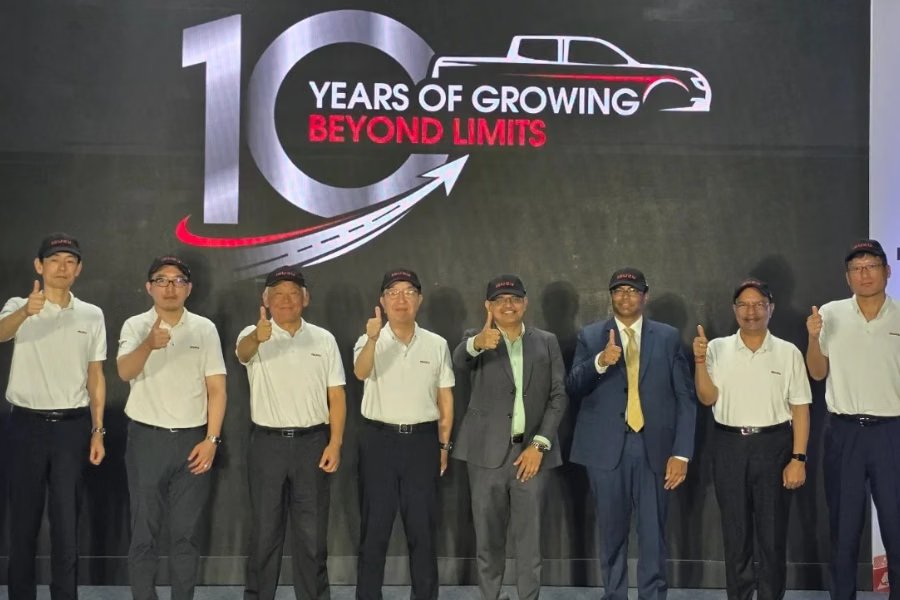
As the plant celebrates a decade of production, Isuzu’s focus on export growth signals that its vehicles are built to meet global standards—something that can give Indian buyers extra confidence in durability and reliability.
The bottom line: Isuzu’s Sri City plant is a powerhouse of production, export and skill development. For the everyday buyer, that means a pickup or van that’s proven on roads from the Middle East to South Asia, backed by a manufacturing base that’s already on its groove.
Next up for the market: watch for any pricing moves and the rollout of newer engine options as Isuzu leverages its export experience to cater to evolving Indian customer needs.
In short, Isuzu’s 10‑year milestone and export record underscore a brand that’s not just surviving but thriving in a competitive commercial‑vehicle landscape.
For anyone weighing a D‑MAX or S‑CAB, the plant’s proven output and export pedigree offer peace of mind that the vehicle is built for longevity, with a solid network to back it up.
Stay tuned for when Isuzu brings its next generation of commercial vehicles to Indian showrooms—likely in early 2025.
Finally, the Sri City plant’s success reflects India’s growing role as a hub for commercial‑vehicle manufacturing, a trend that benefits all buyers looking for quality and affordability.
Keep an eye on how Isuzu’s export strategy might influence domestic pricing and service options in the coming months.
The journey of Isuzu’s Sri City plant is a microcosm of India’s automotive ambitions—high output, export reach, and a workforce ready for the next chapter.
For buyers, that translates into a vehicle that’s ready for the road, backed by a plant that’s proven itself on the world stage.
In the end, the 10‑year milestone is more than a number; it’s a promise of reliability and a roadmap for future growth.
So if you’re in the market for a sturdy pickup or a dependable van—look to Isuzu’s Sri City output as a benchmark of quality.
And keep your eyes on the next batch of models slated for early 2025, when the brand could roll out fresh features and pricing tweaks.
The takeaway? Isuzu’s export‑heavy Sri City plant gives Indian buyers a vehicle that’s built to last, with a global pedigree that’s hard to ignore.
That’s the story of 10 years of production, 20,000 exports and a future that’s still rolling out.
End of story.
Check back for updates on Isuzu’s upcoming releases and how they stack up against competition.
The road ahead looks promising.
Thanks for reading.
Stay tuned.
Bye.