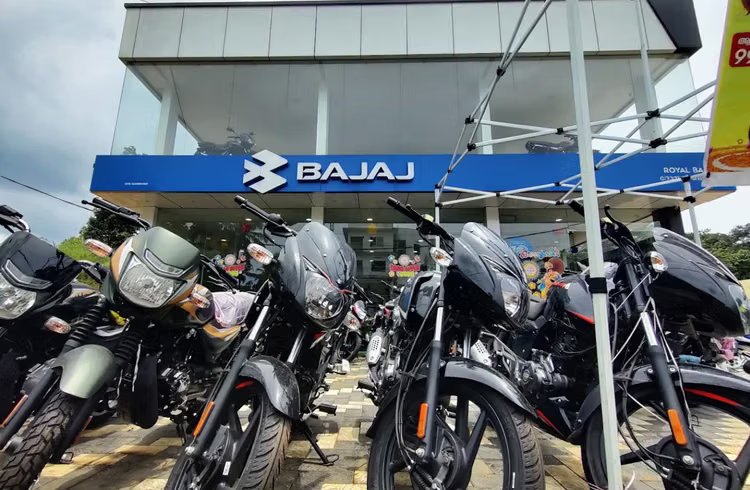
Bajaj Auto’s newest push into the electric market just got a financial boost – the Maharashtra cabinet has earmarked ₹66.82 cr for incentives, covering 66,817 two‑wheelers beyond the state’s original cap. For a buyer, that translates to a direct drop in the sticker price of a Bajaj EV, making models like the Chetak and Pulsar EV more budget‑friendly.
The state’s Electric Vehicle Policy 2021 caps incentives at 1 lakh two‑wheelers. That ceiling was already hit by a mix of manufacturers. Bajaj’s request for extra funding came after the company shipped 66,817 units, a move that the cabinet green‑lit as a special provision. In practice, the company will give the subsidy to customers at the point of sale and then claim the money back from the state.
Rivals like Hero MotoCorp and TVS have similar schemes, but none have pushed the limits of the 1‑lakh cap in the same way. With this extra cushion, Bajaj can keep its EVs competitive against the Honda PCX electric and the Yamaha TMAX, especially in price‑sensitive segments.
For the average buyer, the incentive means a reduction of roughly ₹2,000 to ₹3,000 per bike, depending on the model and the exact subsidy structure. That’s a noticeable bite in the ₹7‑₹9 lakh price range of Bajaj’s flagship EVs.
The incentive is effective immediately, so the next time you head to a Bajaj showroom in Pune or Mumbai, you’ll see the new numbers on the bill. Keep an eye on how other states respond – a similar move in Karnataka or Tamil Nadu could shift the whole two‑wheeler pricing landscape.
Ultimately, for buyers, this is a sign that the electric two‑wheel market is tightening. If Bajaj maintains its production pace and the state keeps rolling out subsidies, you can expect more affordable options and a sharper price war in the coming months.