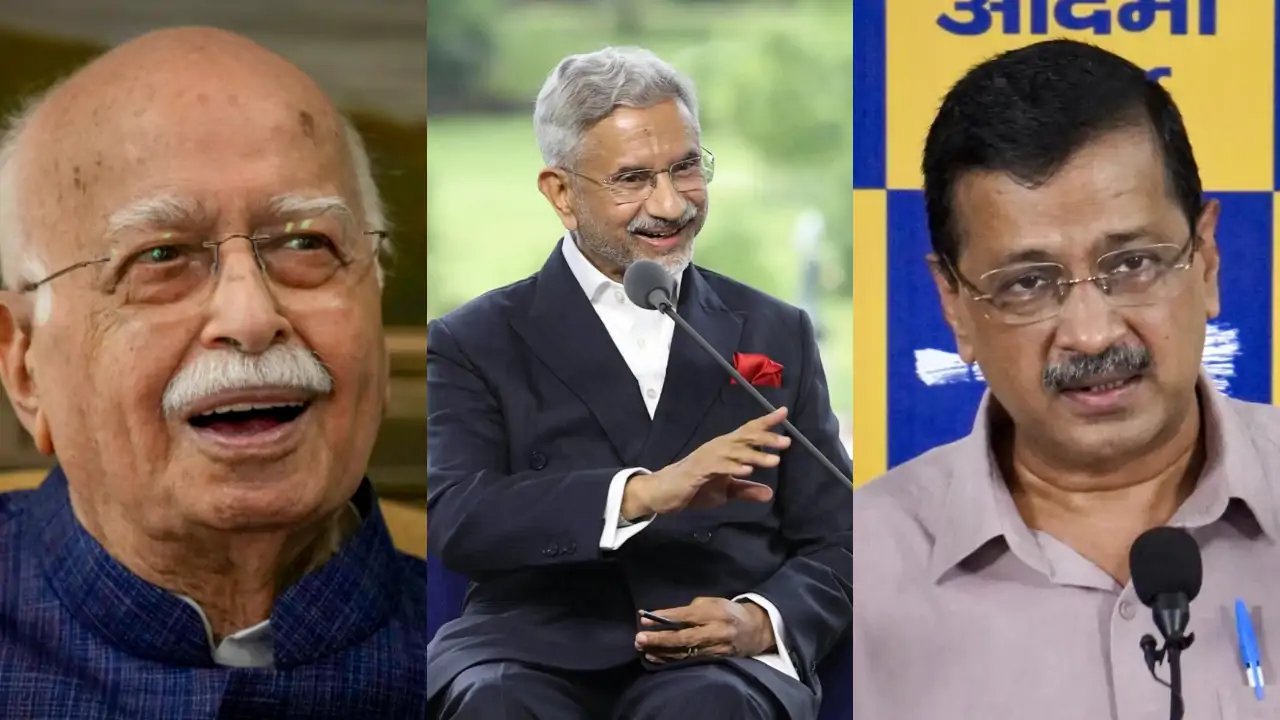
The Election Commission of India settled the speculation on Sunday, clarifying that Special Intensive Revision notices served to prominent politicians do not signal the removal of their names from the voter rolls. The poll body issued the statement after notices were sent to External Affairs Minister S Jaishankar, former Deputy PM L K Advani, and former Delhi CM Arvind Kejriwal over data discrepancies in the National Capital Territory. The CEO office stressed that these notices are automated checks within the ECINET system, designed to correct data rather than punish or disqualify electors. "All stakeholders are hereby informed that the issue of Notice does not mean that their names will be deleted from the electoral rolls of NCT of Delhi," the statement read.
The legal barrier against arbitrary deletion is strict. The Commission reiterated that no elector's name can be struck off without providing an opportunity to be heard and issuing a proper, speaking, and appealable order. This procedural safeguard ensures that even if a discrepancy is genuine, the voter has a formal avenue to contest the finding. The clarification aims to prevent the notices from being misinterpreted as a political attack or a final judgment on eligibility.
The underlying issue stems from the drafting of the SIR electoral roll, which was prepared using details from Enumeration Forms submitted to Booth Level Officers. The draft was published on August 31. Notices were triggered for entries that could not be linked to the previous intensive revision or where "logical discrepancies" appeared in the linking process. Affected voters can submit replies and supporting documents to the Election Registration Officer (ERO) or BLO.
The EROs, acting as statutory authorities, will make final decisions on individual cases after reviewing the submitted documents and the BLO's report. The Commission emphasized its commitment to a transparent and inclusive revision process, ensuring no eligible citizen is left out while no ineligible person remains on the roll. This mechanism balances data integrity with the constitutional right to vote.