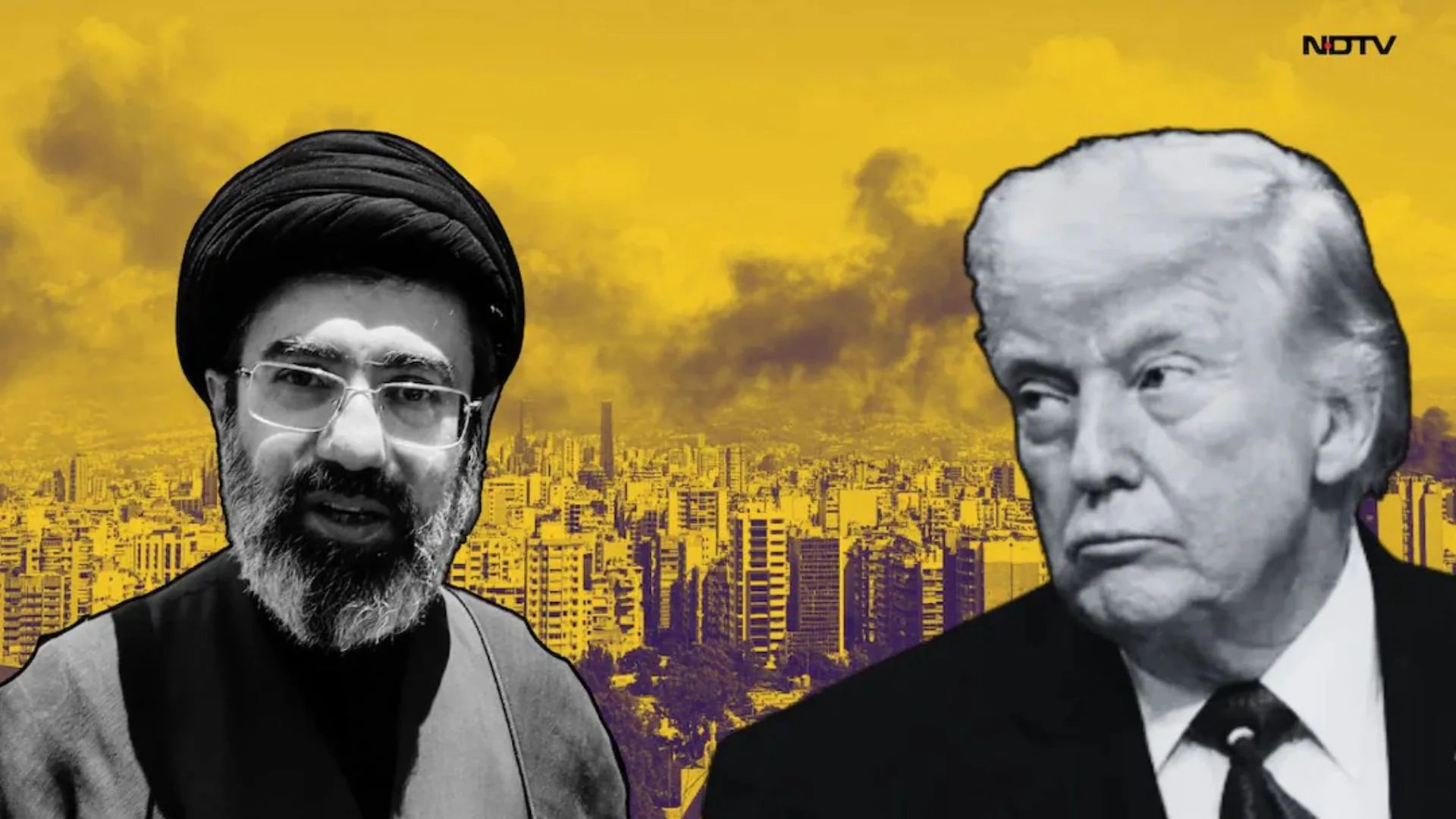
On Friday, an unnamed senior Iranian official told Reuters that Tehran would not budge on its nuclear programme even if Washington agreed to reopen the Strait of Hormuz, a critical waterway that channels a third of the world’s crude oil.
Araghchi’s proposal, unveiled at the UN General Assembly, lists seven days for hostilities to cease on all fronts, the lifting of the US naval blockade on Iranian ports, the release of frozen funds, and the waiving of oil sanctions.
Iran insists it will not dilute its highly enriched uranium or ship it abroad, a demand that clashes with the US’s insistence that Tehran halt enrichment beyond 3.67% and declare all high‑enriched material for peaceful use.
Washington has warned that Iran’s enrichment to 60%—the threshold for weapons‑grade material—poses a strategic threat, a claim Iran denies, arguing that its programme is purely civilian.
President Masoud Pezeshkian said a deal could be struck before the November 3 mid‑term elections, but Tehran will only consider a nuclear dialogue after the US meets its conditions, according to the official.