On Friday, a federal appeals court affirmed the Pentagon’s move to bar the AI firm Anthropic from its defense supply chain, following the company’s refusal to remove safeguards on its Claude model that the Pentagon said could enable autonomous lethal weapons.
The supply‑chain risk designation, formally issued in March, knocked Anthropic’s existing defense contracts and prevented other contractors from using its technology, marking an unprecedented use of procurement‑law authority against a domestic tech company.
In response, the Pentagon signed agreements with rivals such as OpenAI, xAI, Google and Microsoft to secure alternative AI solutions; OpenAI signed a deal the same day as Anthropic’s ban, while xAI had already signed in February.
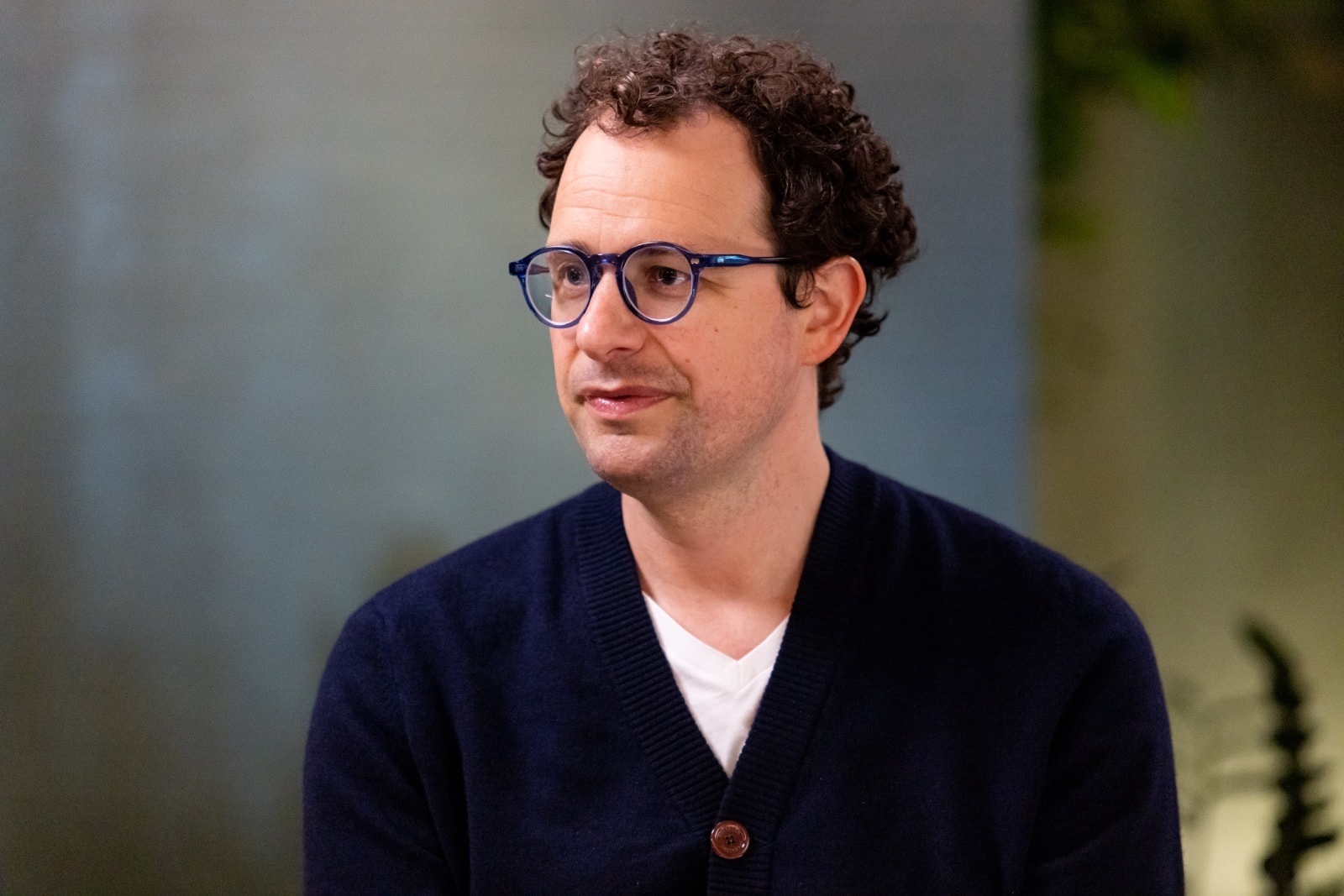
Anthropic, valued near ₹4.2 trillion, is now sidelined from White House projects despite its role in the AI sector and a blockbuster IPO on the horizon. A former employee in Boston who helped design Claude’s safety layers now fears losing his job.
In a separate legal battle, a California federal court ruled last month that the Trump‑era blanket ban on Anthropic was unlawful, a decision the Pentagon has dismissed.
The company has said it will consider a further review of the appeals court ruling and may seek a new hearing, while the Pentagon prepares to roll out the new AI partners.